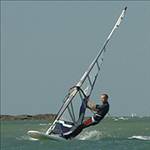
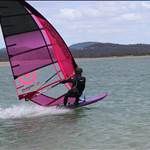
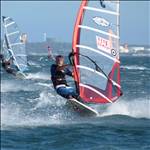
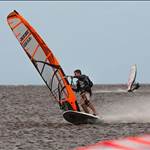
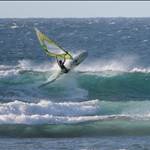
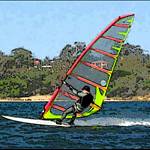
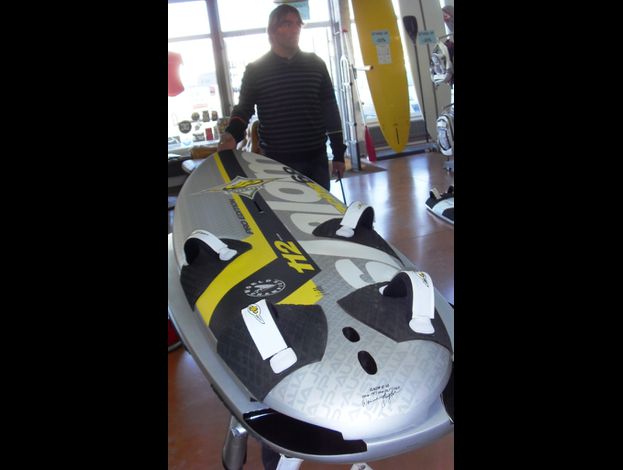
A2 with the JP VI 2010, Neway shop, La Rochelle France : newaylarochelle.over-blog.com/1-album-1484082.html


See also : http://www.glissattitude.com/page_static_wind_jpslalom6_10.html
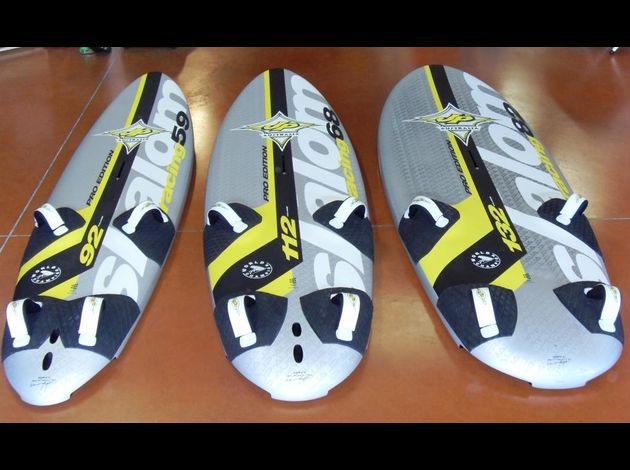
Riders S, M et L < 85kg, < 185cm : 56 (235 x 56cm, 81l), 65 (235 x 65l cm, 101l), 76 (235 x 76cm, 121l)
Riders XL, XXL et XXXL > 85kg, > 185cm : 59 (235 x 59cm, 92l), 68 (235 x 68cm, 112l), 82 (235 x 82cm, 132l)


Hmm, won't be an easy board to repair if you scratch it with the all over decals!
Is this guy the shop owner?
Completely irrelevant to performance, but JP's 2010 graphics look great. That JP Formula board looks the goods too in terms of its "Pretty" rating.
Are these the Starboard iSonic equivalent? maybe not equivalent, but counterpart?
Or a whole lot different animal?
pro edition ........ aaaarrrggghhh!!!
can't they call it something cool like LTD etc? or at least make it a sticker so u can choose to put it on if u are that way inclined
but they look nice
Translation of french marketing blurb...Via google
SHAPE
On smaller sizes, the most important factor for speed is control. Therefore we use a combination of a double hull concave front and a flat-Vee aft. The hull provides greater control to move very quickly, even in the red zone of the rev counter!
Larger sizes have a regular Vee over the entire length. It creates lift and sensations that allow very direct planing to leave early in lighter winds - even when you're stuck in the pack!
OUTLINE
There have been major changes in the outline. We have tightened the curve between the foot straps and widened the rear. Thus the board is more stable (better control), it helps to have the feet parallel on the plate - this position is more comfortable, promising more speed.
CUT-OUT
The stability and greater control boards have increased the size of the CUT-OUT on the back, the water flow is better, the speed is higher.
SHAPE RAILS
Having a comfortable position is a key factor - especially in the long edges of speed. On a regular slalom board the curve of the rail wife although the arch of the foot bridge but then flattens out, it often becomes difficult to push really hard while remaining wedged in the foot straps. Many riders complain of having to lift the toes to stay in the straps, and then having to deal with a certain physical fatigue of the leg. That's why we designed the new RACE DECK.
SHAPE OF BRIDGE
The RACE DECK has a raised surface in the forefoot and under the toes that provides comfort and control at full speed unknown to date. You easily stay connected to the deck of the board regardless of the strength of the wind. You never feel like coming out of the foot straps, and need to force lifting the toes to stay in the straps. The raised surface of the bridge is part of the board, not just a pad for the thick pads tend to make it very difficult to exit footstrap once the feet are deeply sunken.
Try this new RACE DECK to realize how effective it is. Anthony and the other team members do not want more of a slalom board without this form of bridge.
Just as Generation V, the rails of the Generation VI are fairly thick, they can more easily stay planing marks around paths and re-accelerate immediately after the jibe.
This is particularly important in the middle and nose of the plate where the thickness of
rail prevents the draft during the jibe. These rails were one of the secrets of Antoine during competitions in 2009 - apart from his exceptional talent - and he won many races, doubling its rivals around the buoys. It has sometimes exceeded 3 to 4 riders at a brand without losing hardly any speed and accelerating to full speed immediately while others struggled to stay planing.
The translation is hilarious...
"Leave early in lighter winds"
And WTF is "rail wife"? 

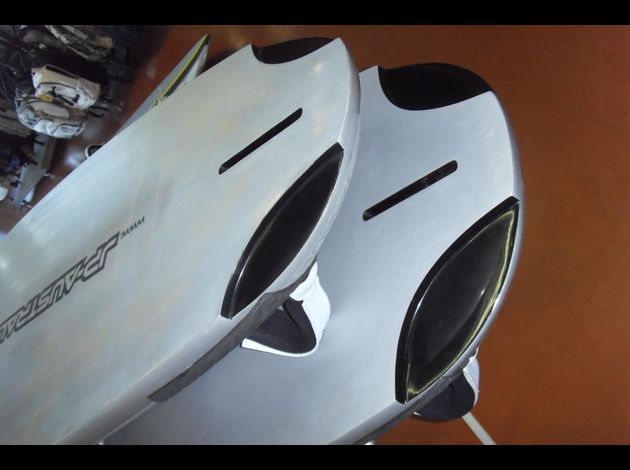
 box
box
Deep Tuttle box, cant you see the holes in the deck and the board upside down, you clown
aus 4,
dont know if im reading the humor by djl07 wrong, but he might be making an observation of the top photo of all three boards together. the 132 doesnt have the fin box holes in the deck like the 92 and 112.
could be wrong though.
dave.
It may also be a custom pre-production model... The JP-Australia pattern is darker.(although that may be the carbon deck showing through on the larger light wind model, the high wind boards may have a veneer deck like the speed boards)