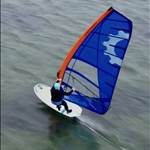
I've had my first few flights on my Starboard race foil. I love it but it strikes me that there's a reasonable potential for injury, at least while learning. In particular, my feet feel very vulnerable in the straps when the board falls in funny ways. Here are the tips I've amassed in an effort to stay safe. Am I missing anything?
- Don't let go of the boom
- Loosen off the footstraps
- Wear a helmet and impact vest
- No waterstarts
Select to expand quotedohertpk said..
I've had my first few flights on my Starboard race foil. I love it but it strikes me that there's a reasonable potential for injury, at least while learning. In particular, my feet feel very vulnerable in the straps when the board falls in funny ways. Here are the tips I've amassed in an effort to stay safe. Am I missing anything?
- Don't let go of the boom
- Loosen off the footstraps
- Wear a helmet and impact vest
- No waterstarts
-wear shin pads there cheap protection
Either much looser footstraps or tight enough to just hold the toes.
Waterstarts are fine, just be careful.
Your first few sessions, don't hook into anything. Get a feel for the "what happens when" before you hook into your harness/toe straps.
Keep in mind to hang onto that boom if you go over the falls though.
I never got the memo about not letting go of the boom.
www.facebook.com/windfoilzone/videos/upside-down-waitforit-therealgoodhurt-gybe-fail-wwwwindfoilzonecom/327925764853716/
Select to expand quotedohertpk said..
I've had my first few flights on my Starboard race foil. I love it but it strikes me that there's a reasonable potential for injury, at least while learning. In particular, my feet feel very vulnerable in the straps when the board falls in funny ways. Here are the tips I've amassed in an effort to stay safe. Am I missing anything?
- Don't let go of the boom
- Loosen off the footstraps
- Wear a helmet and impact vest
- No waterstarts
Go back to windsurfing ... like I did!
Practice onflat water. booties for grip and No footstraps. No harness. When learning to gybe keep weight forward and try skimming gybes first. practice gentle landings
1. Learn on a freeride foil.
2. Take the straps off.
3. Always hold on to the boom in crashes.
Longer boards (like old formula boards or Fanatic Stingrays) reduce catapults quite dramatically, especially when used with shorter mosts (60-70 cm). That's true for any level of skills. I've seen on of the best foilers I know catapult hard while going in a straight line, and he said he had 3 such catapults in the same session. That's more than I have had in 11 sessions at the same spot in recent weeks, and my skills are several levels below his.
Speed is your friend.
Foiling your first year, you're going 2/3rds the speed of windsurfing, so you are twice as safe from speed related injuries.
So, don't kick your foil while water starting, and don't hook in or strap until you can comfortably foil.
Carrying an extra 10 lbs is not going to hurt you.
Always be listening to your foil. The sounds change as you go higher and lower. Once you know the sound that happens just before a foil out you will know when to drop down.
1) Always wear leg coverings, I wear 1 mm pants in colder water, and in summer compression pants, will protect you from getting cut by the trailing edges of the wing and stab. Do not want a blood trail around great whites!
2) practice in-flight height adjustment on the water, if you can adjust your height easily then the foil/rig/mast foot is balanced, if not figure it out.
3) rig to be underpowered, you will not get up as much at first, but will avoid out of control flights and crashes.
If you must waterstart, actually stand on the wings under water.
The main thing: do not let go of the boom in a crash. This (1) helps keep the boom head away from the nose of the board, (2) keeps you connected to your gear so it can't float or blow away, and (3) keeps you away from the foil.
I have never sailed with foot straps. I'm in my 2nd year in foiling. I love the freedome of moving my feet around freely. Plus when you fall, your feet won't get stuck if the board falls at bad angles.
Park a temporary buoy in chest deep water at your launch area. It's a convenient way to moor your rig when you take a break and it gives you some indication of where to jibe so you don't run aground.
Buy some 1mm or 1.5mm wetsuit pants even for warm water. You are going ding up your shins and a little protection helps a lot.
Install thin deck pads near the rail just aft of the mastfoot area. You're going to be sailing in much lighter winds than usual - too light to waterstart - and falling more often, and your harness hook can ding the deck when you clamber back on board.
1) Always bring your full quiver of sails regardless of forecast, unless you live on the waters edge. Just yesterday forecast was 8 knots, right up to when I got to the water, but in 20 min. it went to 18 and stayed their, I had brought only my 8.0. Forecast never updated for the wind increase.
2) And remember when you have everything tuned for the conditions, including harness lines, it should take very little energy to foil even in gusty conditions, just minor adjustments of sail sheeting in/out and foot pressure. But that takes time, so be patient!