SUP MANIACS No 9 Sunova Surfboards
Welcome to Dylan Burger and Bert Burger to the Board of Sup Maniacs Pty Ltd
@everyone The Board Factory Co., Ltd.
Session Mag Stand Up Magazin #sessionmag TotalSUP APP World Tour
Daniel Hasulyo
Andrew Cassidy Connor Linz SUPjournal.com Phil Baggs Rick Weeks Marty Surfmusic #standuppaddle #standuppaddleboarding #standupsurfing #surfsup #supsurf #supsurfing
Sunova: Craft, Culture and Generations
A conversation with Bert Burger and Dylan Burger of Sunova Surfboards
Few brands in modern stand-up paddle surfing carry the same mix of innovation, craftsmanship and culture as Sunova.
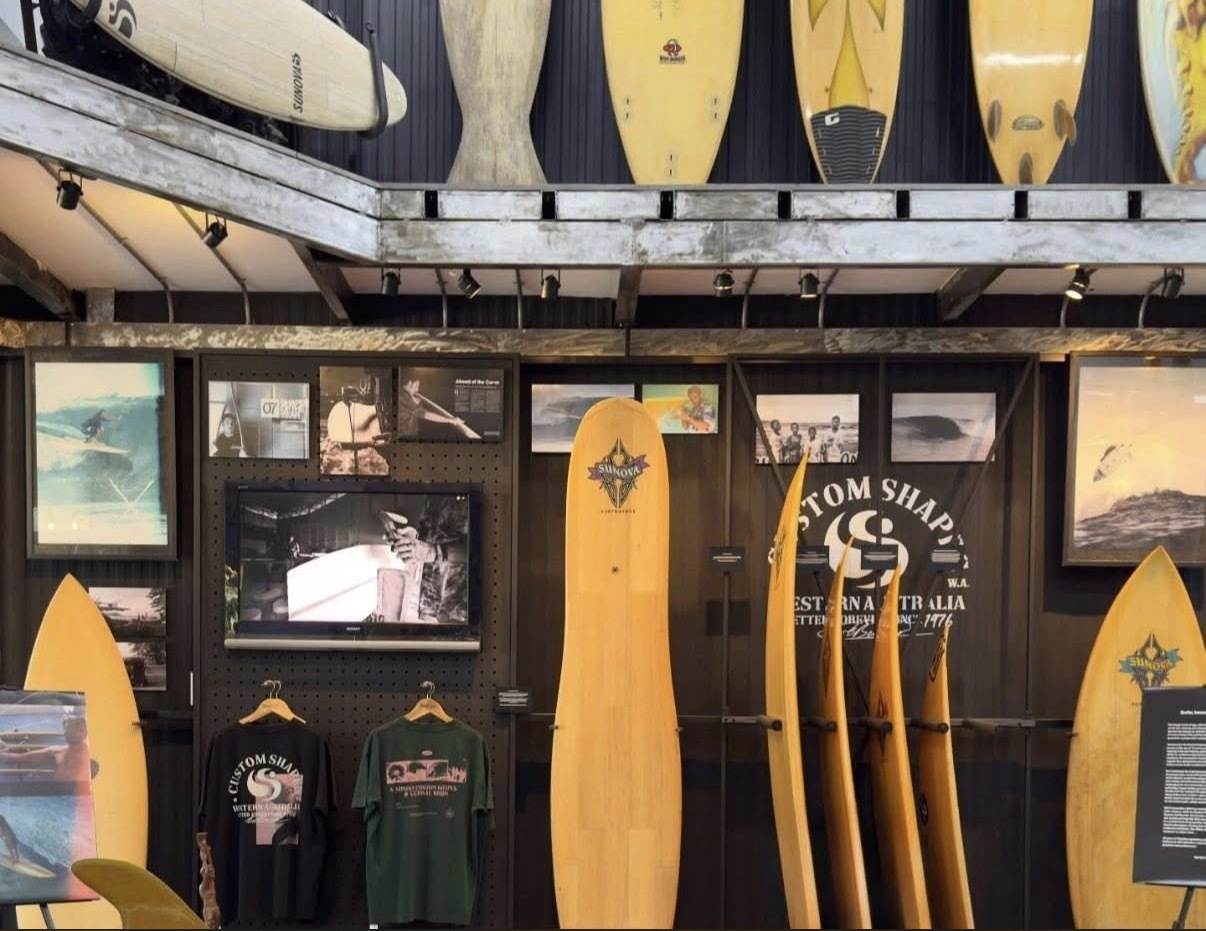
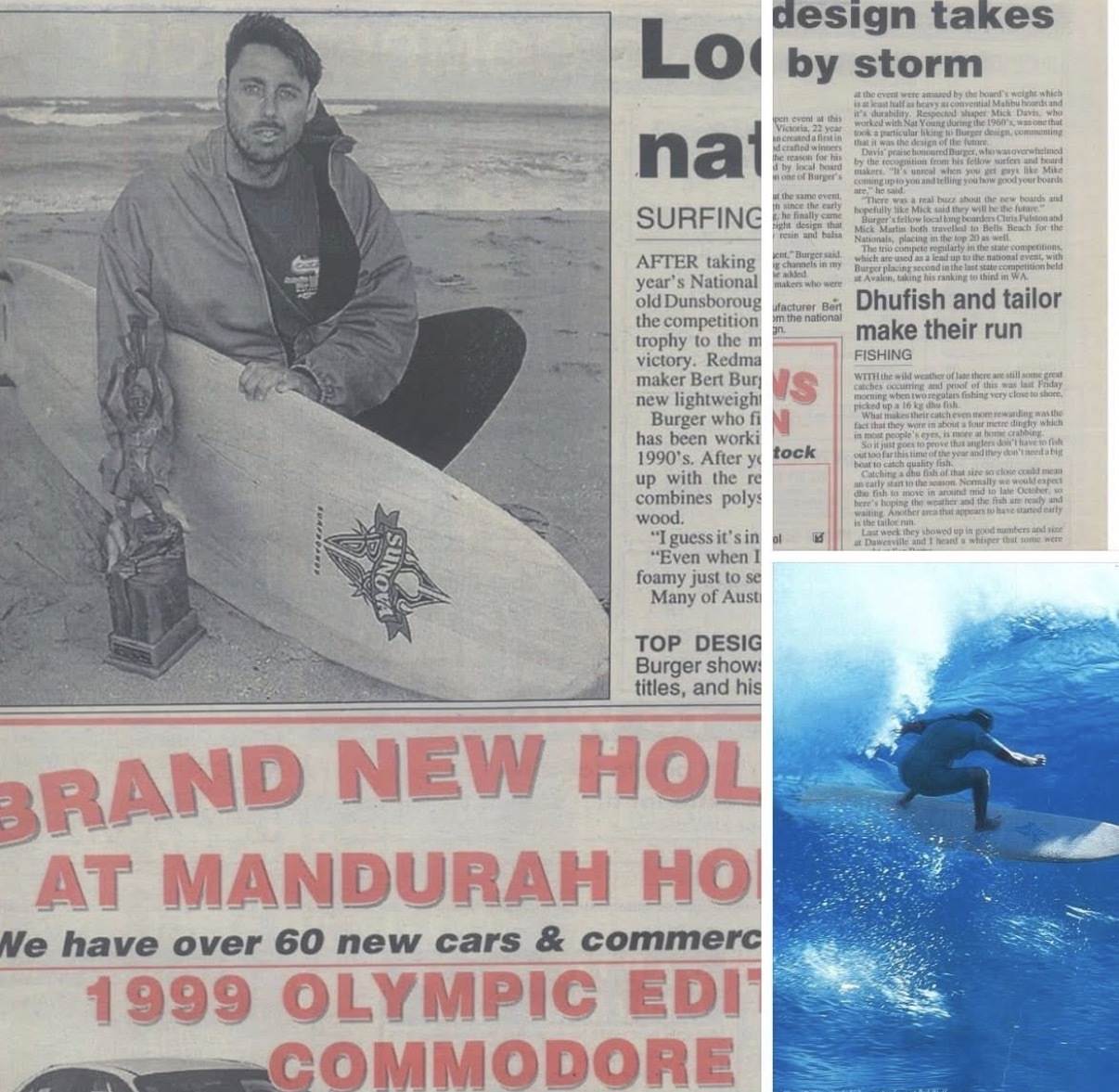
Founded by legendary Australian shaper Bert Burger, the brand has grown from humble shaping sheds in Western Australia into a globally respected surfcraft company with a thriving factory and surf hub in Thailand. Along the way Sunova has become synonymous with progressive board construction, most notably Bert's pioneering Parabolic Rail technology and the now instantly recognisable timber-veneer boards.
At the heart of the brand sits a philosophy that has guided its growth from the very beginning:
"We can only grow as fast as we can build quality boards. If the product isn't right, nothing else matters."
- Bert Burger
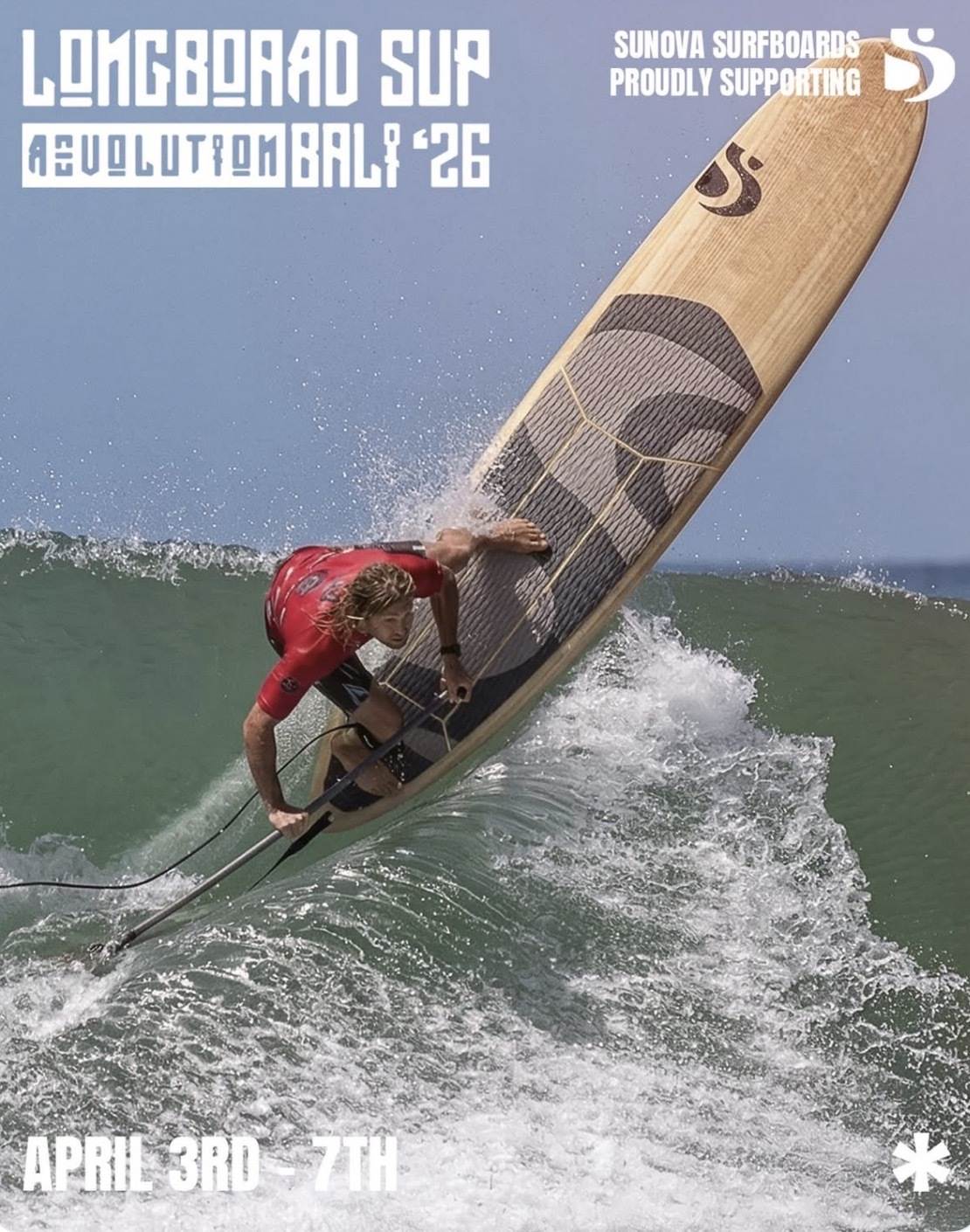
But Sunova's story isn't just about technology - it's about people, culture and community. The brand has consistently supported the LSR Cosmic Experience, bringing a strong international crew that includes elite competitors, factory surfers and rising talent whose progression mirrors the growth of the sport itself.
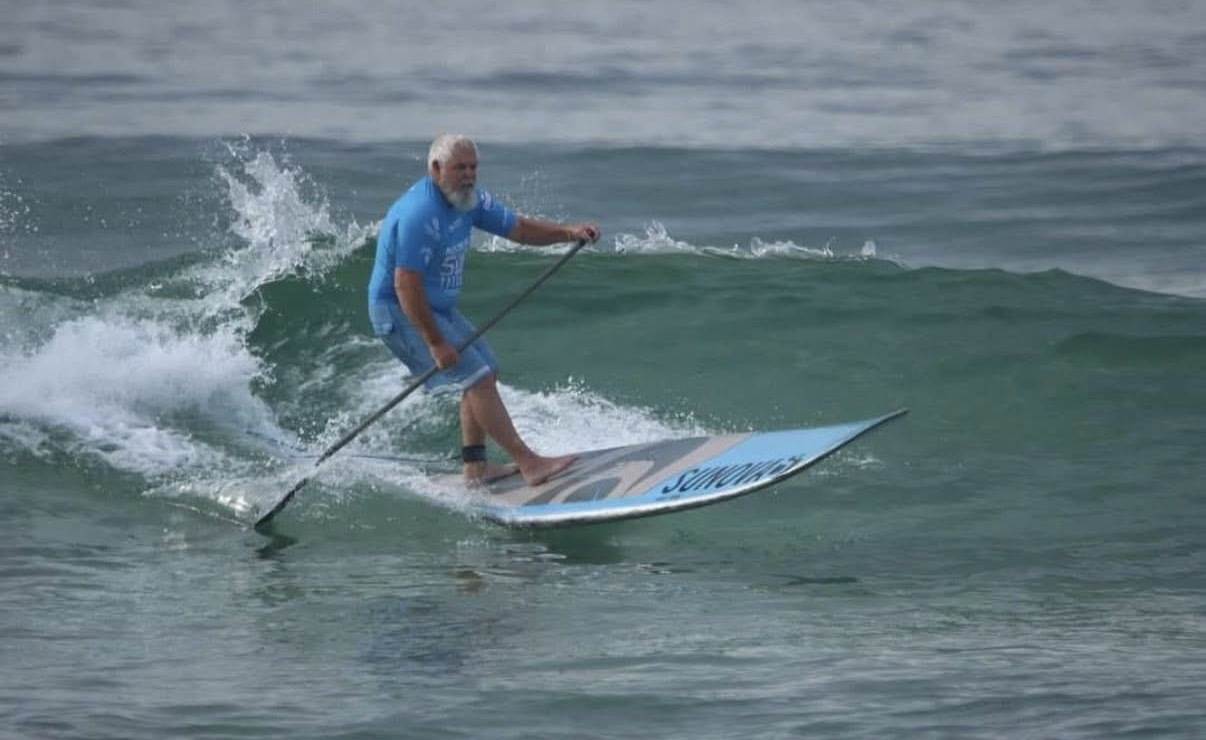
The LSR culture is also built on something deeper than competition - a respectful acknowledgement of the generations who helped shape the longboard SUP movement. Sunova reflects that philosophy within its own team structure, continuing to honour experienced surfers who helped pioneer the sport. Surfers such as Rick Weeks and Phil Baggs remain valued members of the wider Sunova family, representing the depth of experience and heritage that still guides the brand today.
With riders like Andrew "Casso" Cassidy claiming the Men's Weekend Elite and Australian champion Marty Cole joining the lineup this year, Sunova's presence at the Cosmic reflects a philosophy that balances elite performance with the traditions, personalities and shared stoke that have sustained the longboard SUP movement.
SUP Maniacs spoke with Bert and his son Dylan about shaping, innovation, factory culture and the future of the sport.
?
Sunova - A Conversation with Bert and Dylan Burger
?
1.
Bert, you began shaping at 12 in Western Australia. Dylan, you grew up inside that world. How different were your entry points into board building - and where do they intersect?
Bert:
Too funny. I was just a kid who decided he wanted to be a surfboard builder. I didn't know any board builders. I'd watched my uncles tinkering with snap repairs and sometimes modifying boards. My first shape was done on a wooden fruit crate and my only tool was a rough wood file similar to a Surform.
Dylan was actually younger when he attempted his first board, but he walked into a fully fitted workshop with access to modern composite materials and production equipment that most board builders wouldn't have seen in their lifetime.
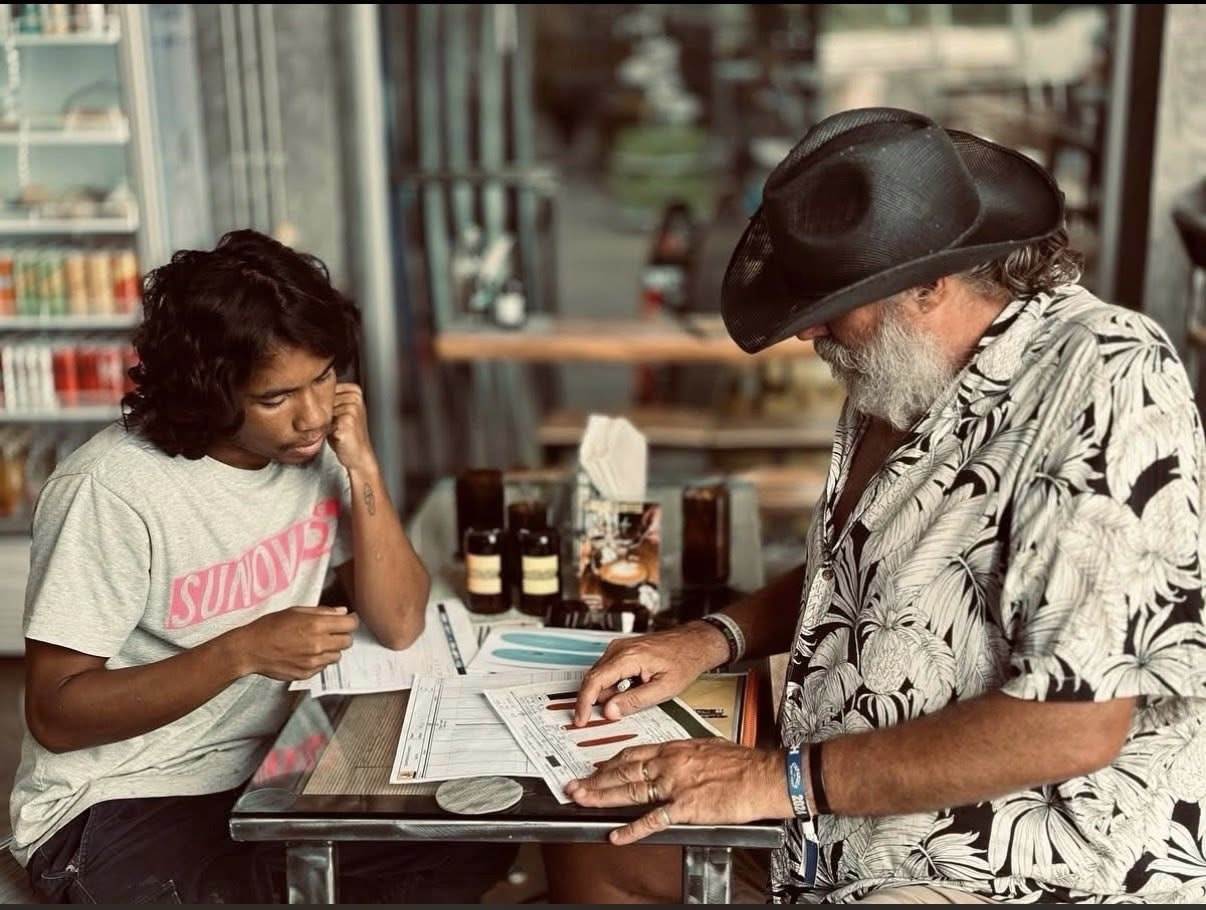
I actually discouraged Dylan from becoming a hands-on board builder. Dylan made his first board in 2005 at the age of ten. By the time he was about fifteen I could see where the industry was heading, so I encouraged him to learn digital design, CAD, CNC systems, retail and management.
I remember a demo day at Burleigh. We had a sales rep who was new and got stuck answering some technical questions about the construction. Dylan stepped in and answered every question professionally.
Later I told Dylan that the rep was impressed with his knowledge and he replied:
"Come on Dad. it's not that hard. I've been standing next to you listening to you sell boards since I was two years old."
Dylan:
I was more or less born into that world. For a number of years when I was growing up the factory was located out the back of our place in Mandurah, so whenever I wasn't at school or down the BMX track I was in the factory soaking up as much as I could.
Ironically the BMX track led to my first board. I crashed badly one day and completely shattered my elbow. I had three surgeries and was out of the water for six months. I had a full cast from wrist to shoulder and couldn't surf or ride my bike, so I decided it would be a good idea to start hacking up a few boards.
Because I had pins and screws in my arm, every time I used power tools I'd get an electric shock running up my arm - which became a pretty good excuse for sand-throughs and dodgy work.
Twenty years later I'm more involved in Sunova and the industry than ever, just at a very different level.
?
2.
From the early sheds down south in WA to a thriving factory base in Thailand, Sunova has travelled a long way. What has remained constant in the philosophy of the brand despite that evolution?
Bert:
Regardless of production volume, quality comes first.
When we started our first Sunova factory in Thailand in 2007 one of my business partners said, "Bert's going to bankrupt us - he's not letting any boards leave the factory."
My philosophy was simple: we can only grow as fast as we can build quality boards.
If we send boards that aren't right, that will bankrupt us.
Running a good business involves more than just quality - marketing, distribution, sales systems - but people will tolerate a certain amount of unprofessionalism if they eventually receive a truly great product.
That commitment to quality underpins the brand.
?
3.
The Parabolic Rail was a genuine shift in surfboard construction. Bert, what pushed you to challenge conventional PU thinking - and Dylan, how do you carry that spirit of innovation forward today?
Bert:
To be honest, I just wanted something better.
In the 1980s I saw EPS, epoxy and PVC sandwich technology being used in sailboards. The transition was rapid - if you weren't riding the new technology you simply couldn't compete.
So I began experimenting with those materials in surfboards. Initially they were stronger and lighter but not necessarily better performance.
The best performance still came from lightweight PU boards - but they would self-destruct under my feet after three months.
There was a huge learning curve: materials, shapes and production processes.
Eventually I realised something important - wood has a natural spring that foams and plastics don't. The Parabolic Rail was an attempt to solve durability issues, and it turned out to add a whole new level of performance.
Dylan:
These days the industry isn't evolving as rapidly as it once did. Certain areas like foiling are developing quickly, but many construction methods have remained similar for years.
We're constantly testing materials and processes - resins, coatings, flex systems - but often the innovations customers see are subtle.
To date we still haven't found anything as revolutionary as the Parabolic Rail.
?
4.
The Thailand factory isn't just production - it's a surf culture hub. How important is it that the crew surf, test, travel and compete together as part of the Sunova ecosystem?
Bert:
It's incredibly important.
When the people building the boards surf them, they understand quality.
If you oversand a rail and it ruins the surf experience, you remember that next time you build one.
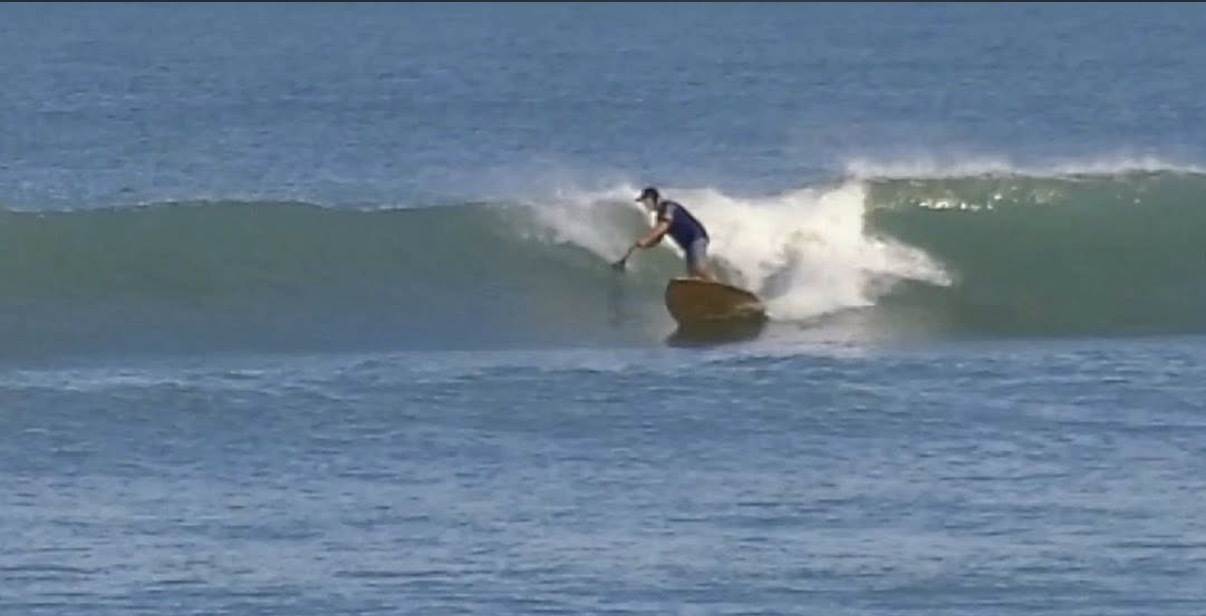
Our factory is four minutes from the waves, so we can test boards in real time - surf a board, race back to the factory, tweak it and paddle out again.
That's exactly how it was in Western Australia.
Being close to the surf has allowed a real surf culture to grow here in Thailand, and it's been amazing to watch.
?
5.
We've seen the factory crew's longboard SUP level rise dramatically over the years - even taking out awards like Best Nose Ride and bringing serious energy to the boat. How much does shared stoke influence performance?
Bert:
Of course it does.
Surfing with your mates, calling each other into waves and pushing each other - that's how progression happens.
Back in the old factory location our crew surfed maybe five or ten weekends a year in tiny wind waves.
Now we're right on the beach and the crew surf all the time.
I've watched staff go from barely surfing to making finals in competitions within a few years.
?
6.
Sunova seems to honour both elite performance and deep experience within its team. How intentional is that balance?
Bert:
As the brand expanded internationally the team naturally grew with it.
In the 1990s our riders were mostly from Western Australia. By the early 2000s we had riders across Australia, and today we have around one hundred ambassadors across twenty-five countries.
Different riders bring different strengths - results, event presence or the ability to connect with people and represent the brand.
Phil Baggs and Rick Weeks are elder statesmen now, but decades ago they were competing at the same level as riders like Casso and Marty today.
Their experience is incredibly valuable.
?
7.
Sunova boards are instantly recognisable with their timber veneer construction. Beyond aesthetics, what does that build method give surfers?
Bert:
The look is just part of the technology.
People think carbon equals performance, but wood actually has incredible strength-to-weight properties.
At a microscopic level wood fibres behave like tiny spring coils, creating a lively flex pattern that feels smooth and responsive.
Wood also doesn't fatigue the same way synthetic materials do, so a board keeps its spring and liveliness for years.
?
8.
Bert, you've always challenged industry norms. Dylan, how do you decide when to protect tradition and when to push into new territory?
Bert:
I've always focused on creativity and experimentation, sometimes ignoring the commercial side.
Now Dylan runs the factory he looks at the economics of development a lot more carefully.
With Dylan running the show we might actually start making money one day.
Dylan:
It's always a balancing act.
Sunova has a strong identity - history, technology and passionate staff. Our goal is to maintain those values while continuing to evolve.
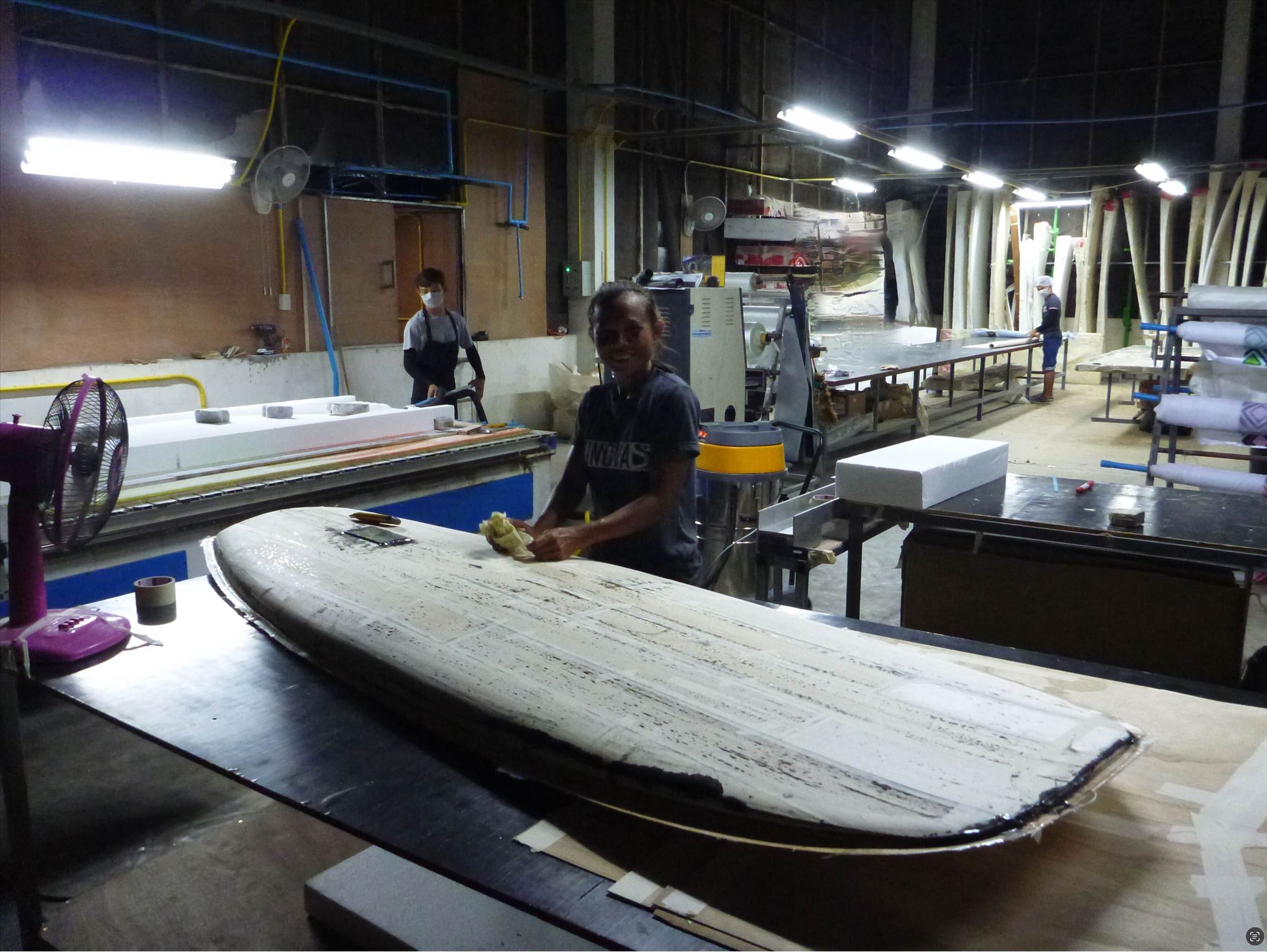
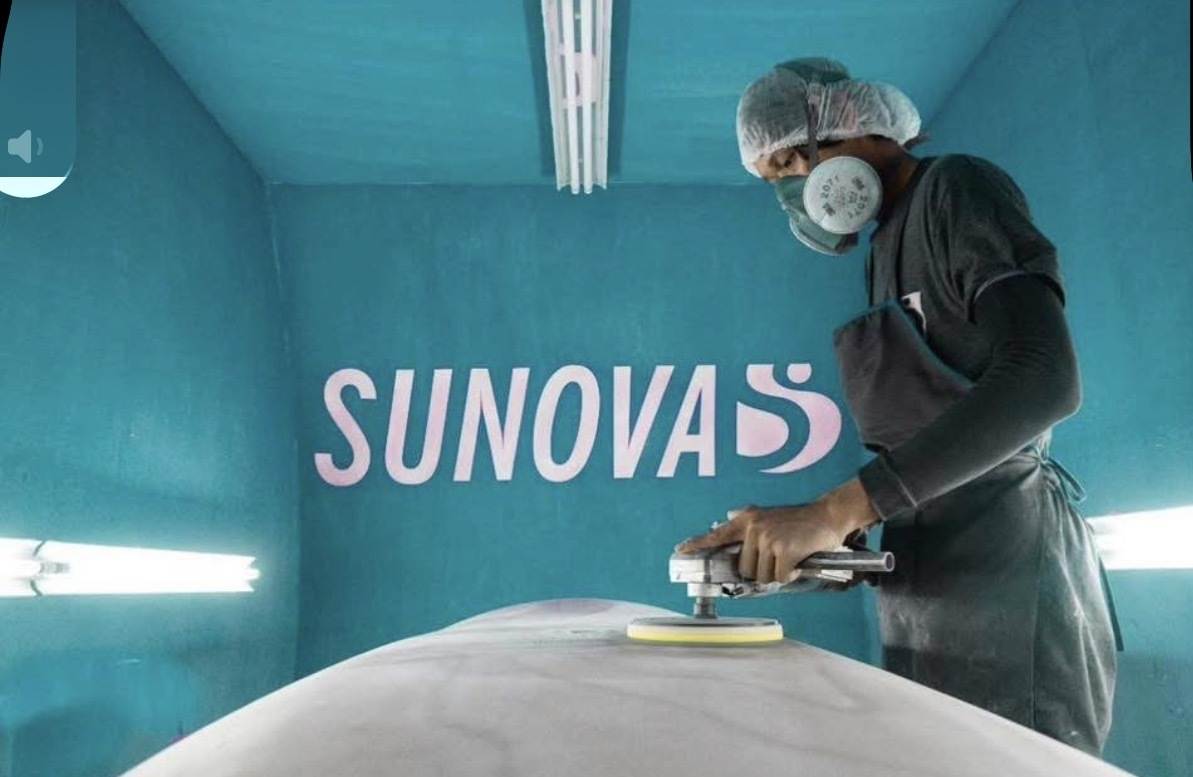
Manufacturing is still highly skilled and labour intensive. Aside from CNC shaping, almost every process is done by hand.
But our factory now runs on a custom ERP system we've developed. Every board is digitally tracked - who worked on it, when and under what conditions.
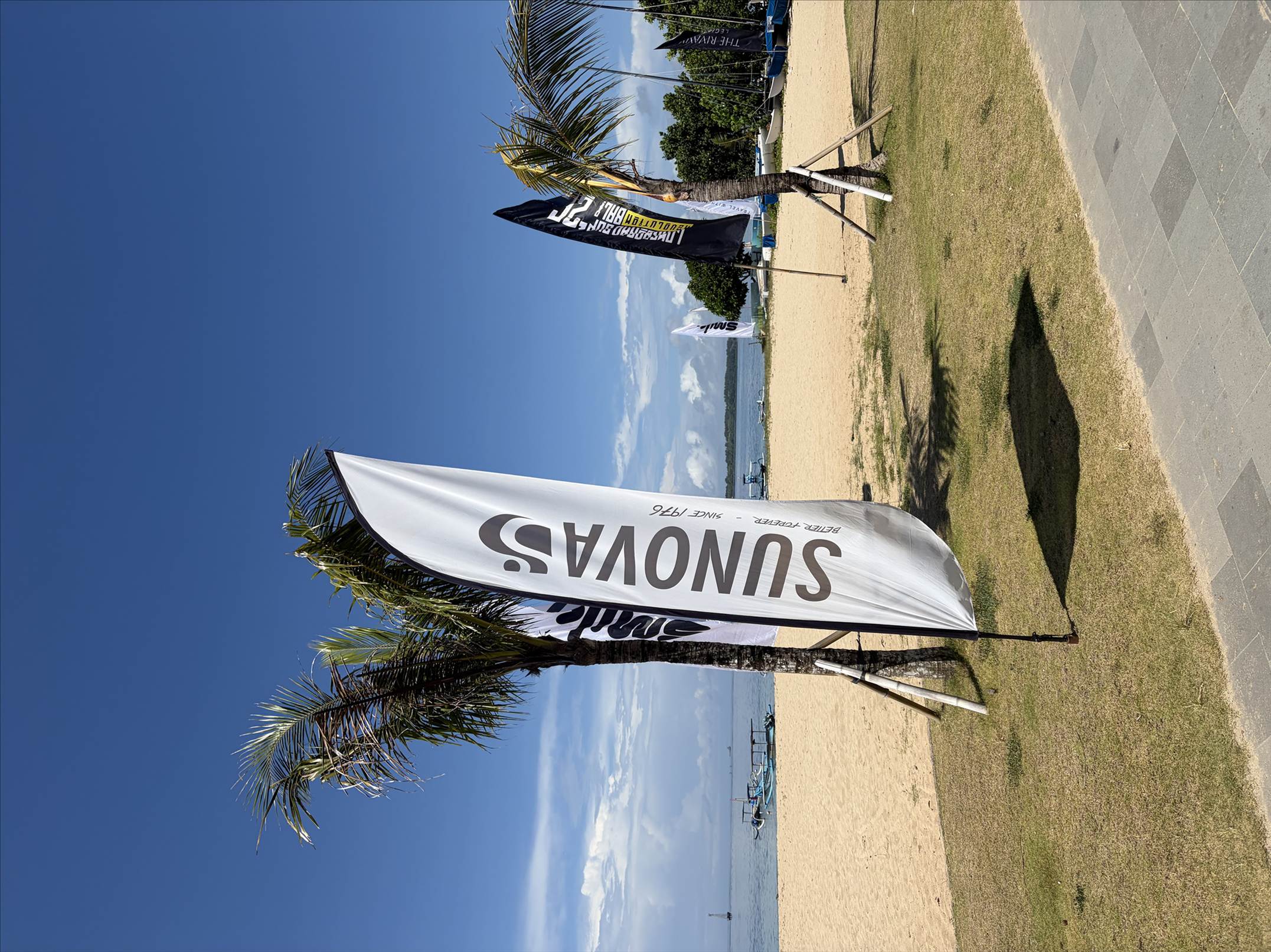
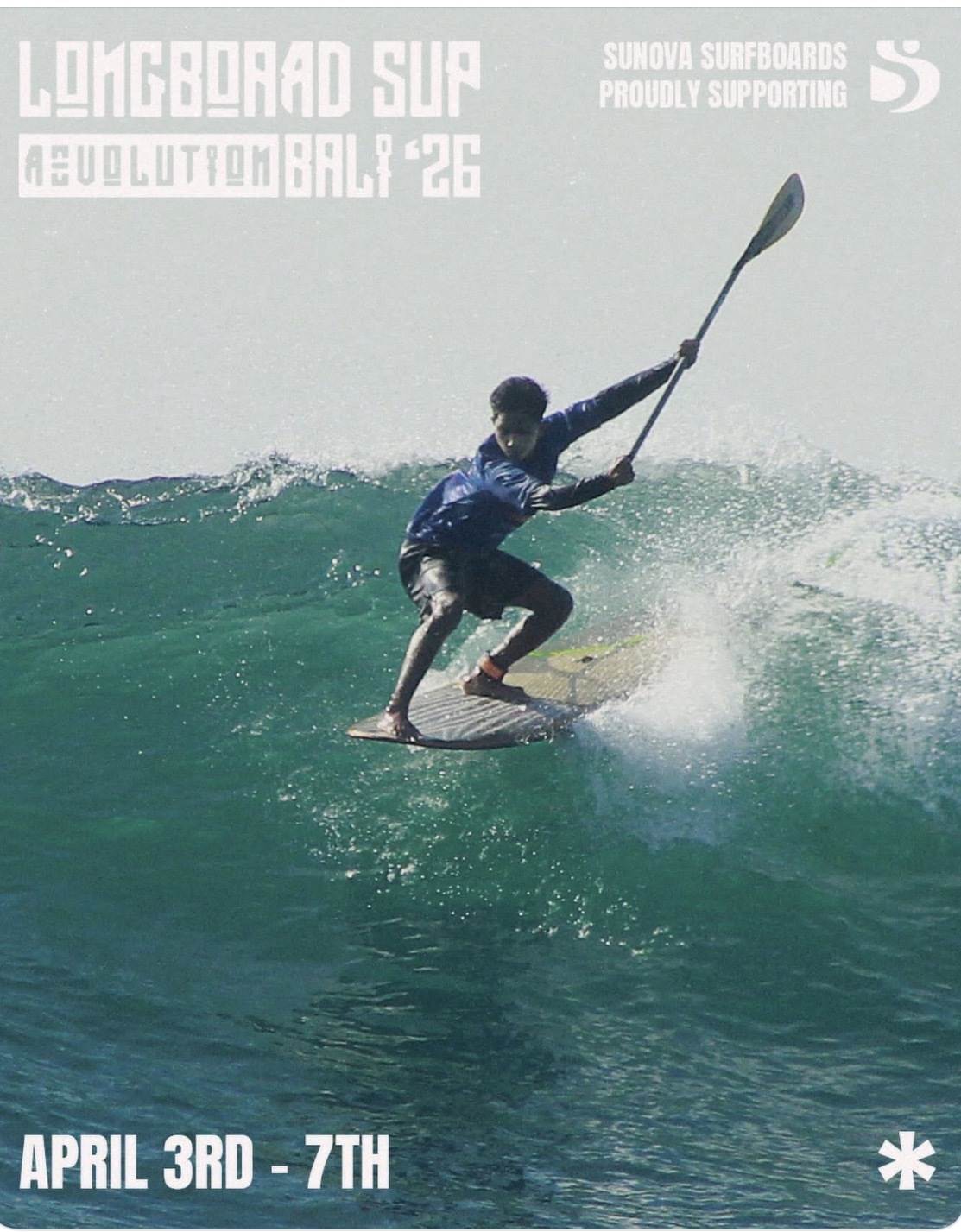
That allows us to monitor production and improve quality from anywhere in the world - even from a boat in Bali during the LSR event.
?
9.
Sunova has helped bring Thailand strongly into the international SUP conversation. How important is it that Thailand isn't just a manufacturing base but part of the surfing community?
Bert:
Surfing has become global.
When boards become available, surf scenes grow. I've surfed places here where locals had never seen a surfboard before.
Now those same places have surf schools, accommodation and a full surf community.
Thailand has great waves and an incredibly welcoming surf culture. I'm excited to see it continue growing.
?
10.
Looking ahead, what excites you most?
Bert:
Honestly, all of it.
Advancing board design, building the factory culture and helping the sport grow globally.
Those things still get me out of bed every morning.
?
Thank you to Bert and Dylan Burger for taking the time to share their insights and experiences.
Your involvement and commitment to the sport continues to help grow and support the longboard SUP community worldwide.
Much appreciated.
Regards,
Michael Jenkins
SUP Maniacs / LSR Cosmic Experience
Very cool read guys!
Thank you Michael for talking to the boys while at the LSR.... it's such an amazing event!
For years I have been telling people that Sunova's are born in Paradise
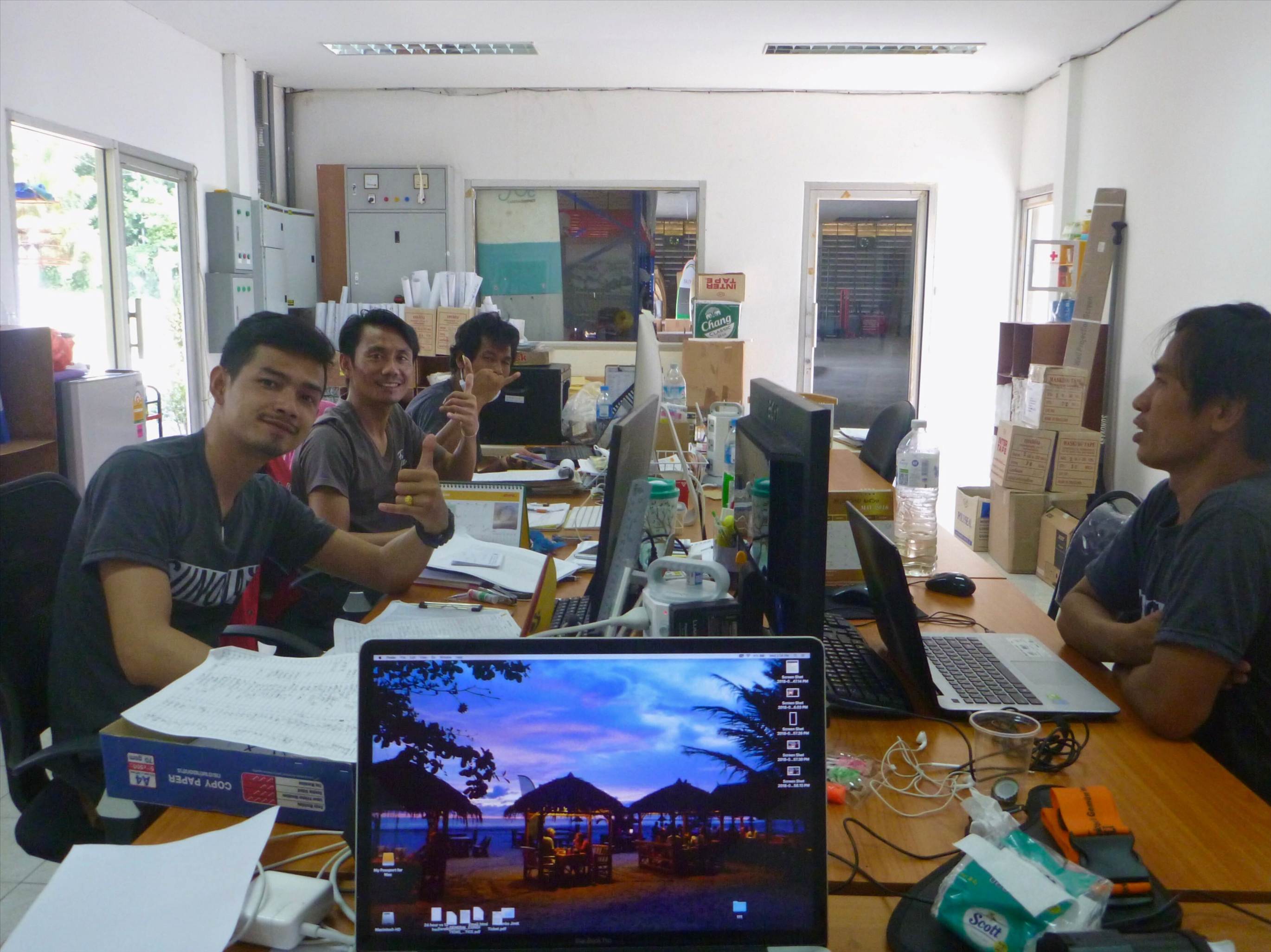
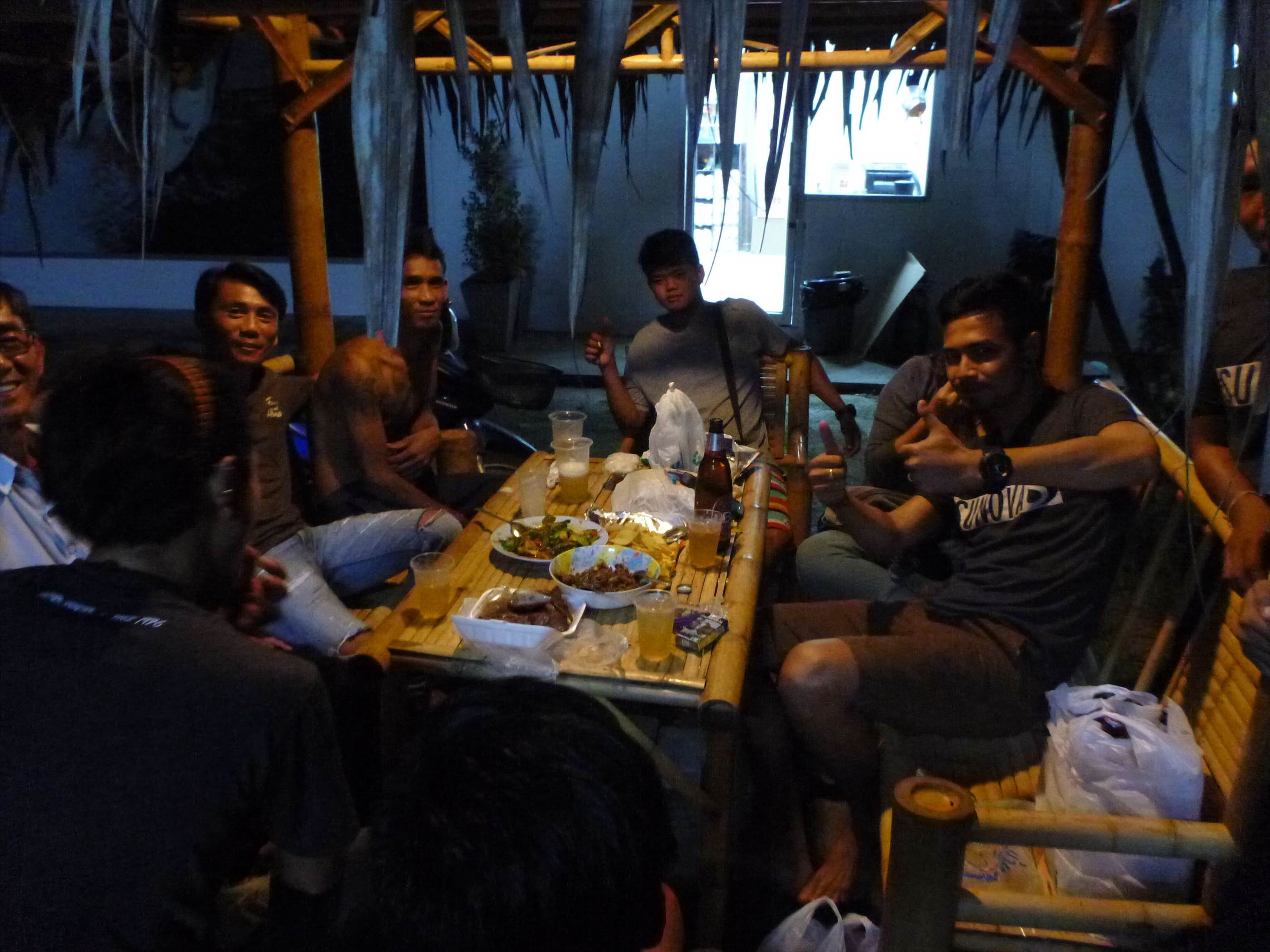
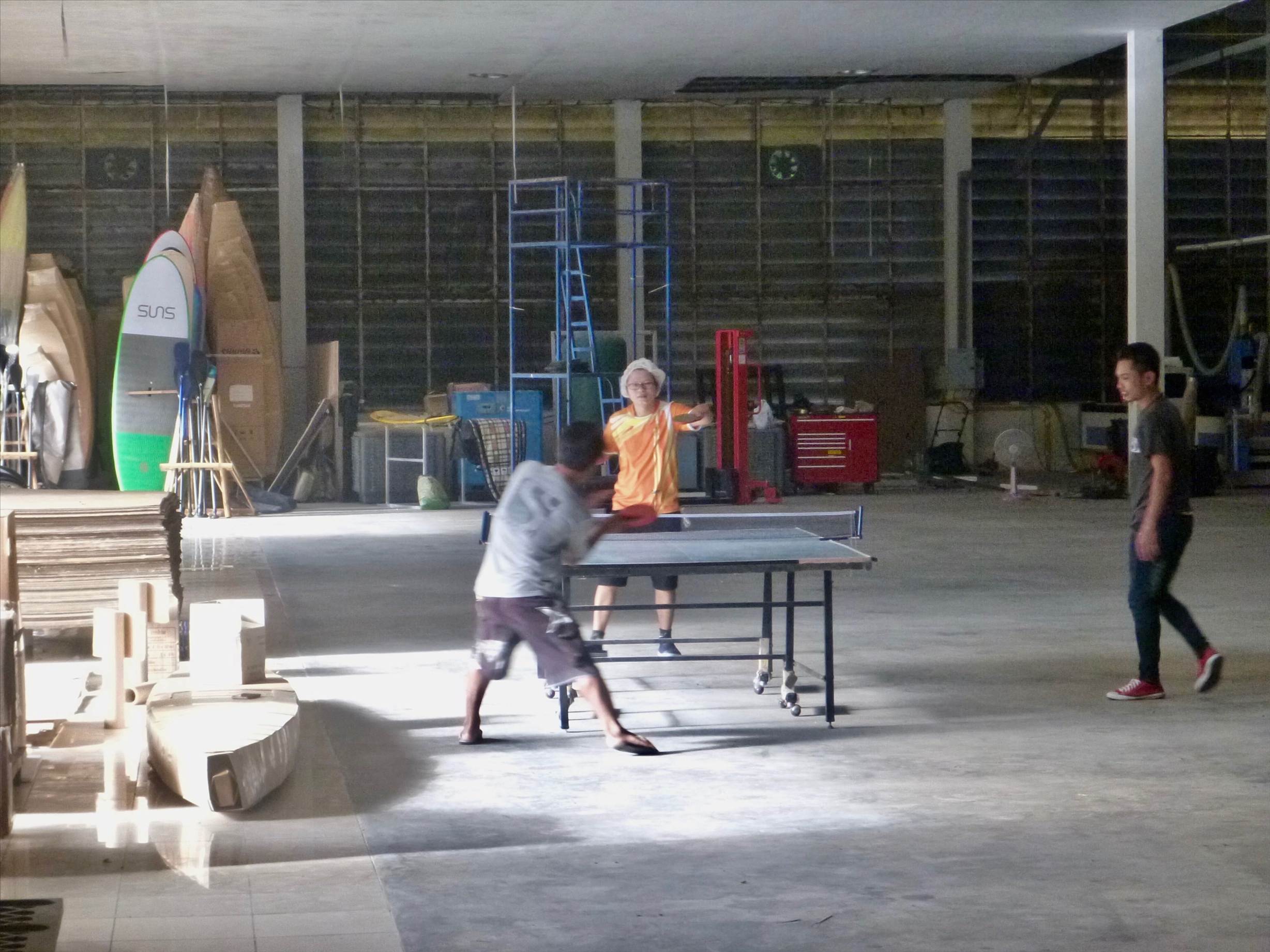
I lived inside the factory for a month.... watched the process closely, ate with the workers, surfed with them and soaked in how Surf culture permeates the entire crew that build these boards... they live to surf and are super. passionate about the boards they build.
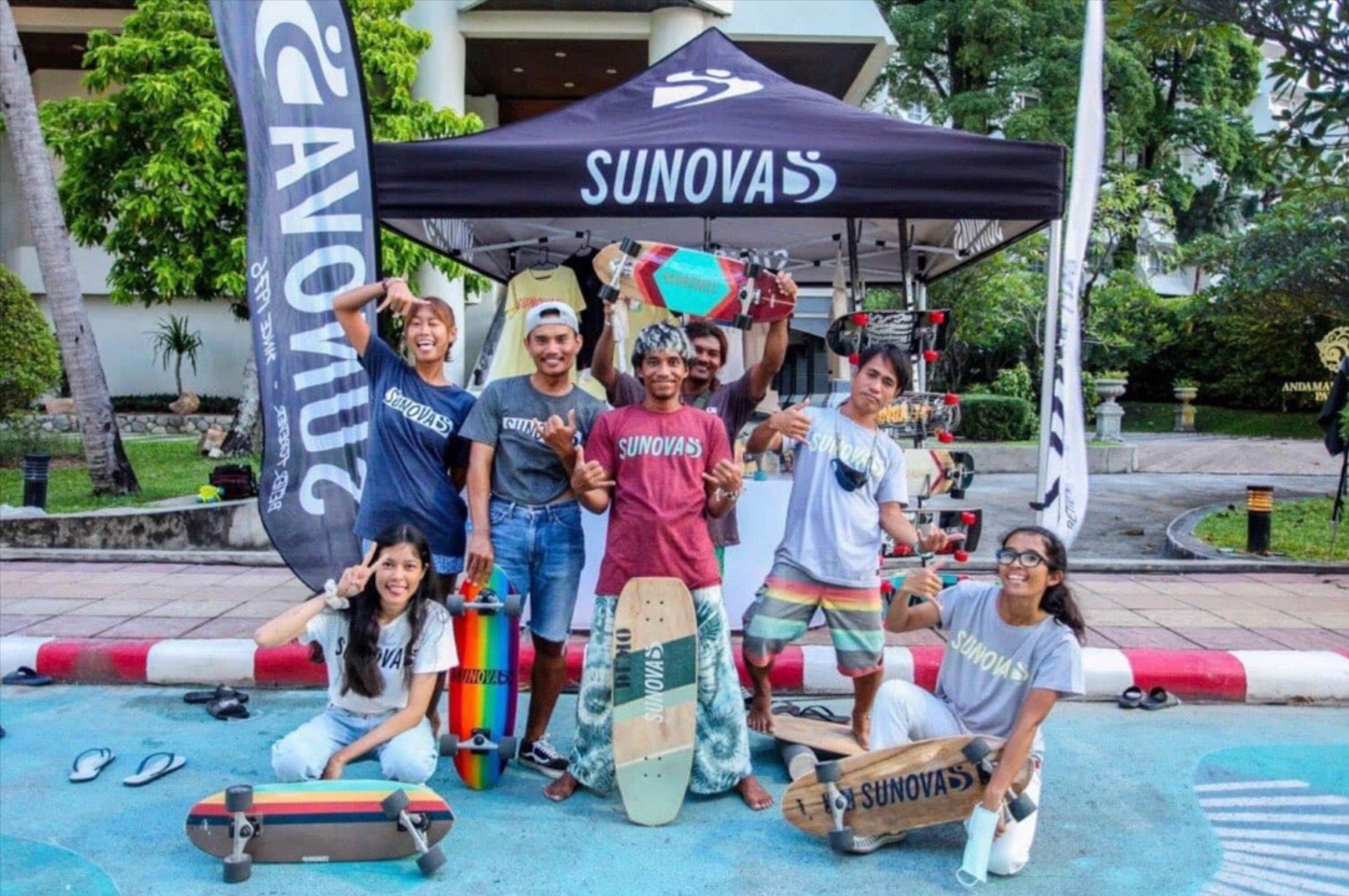
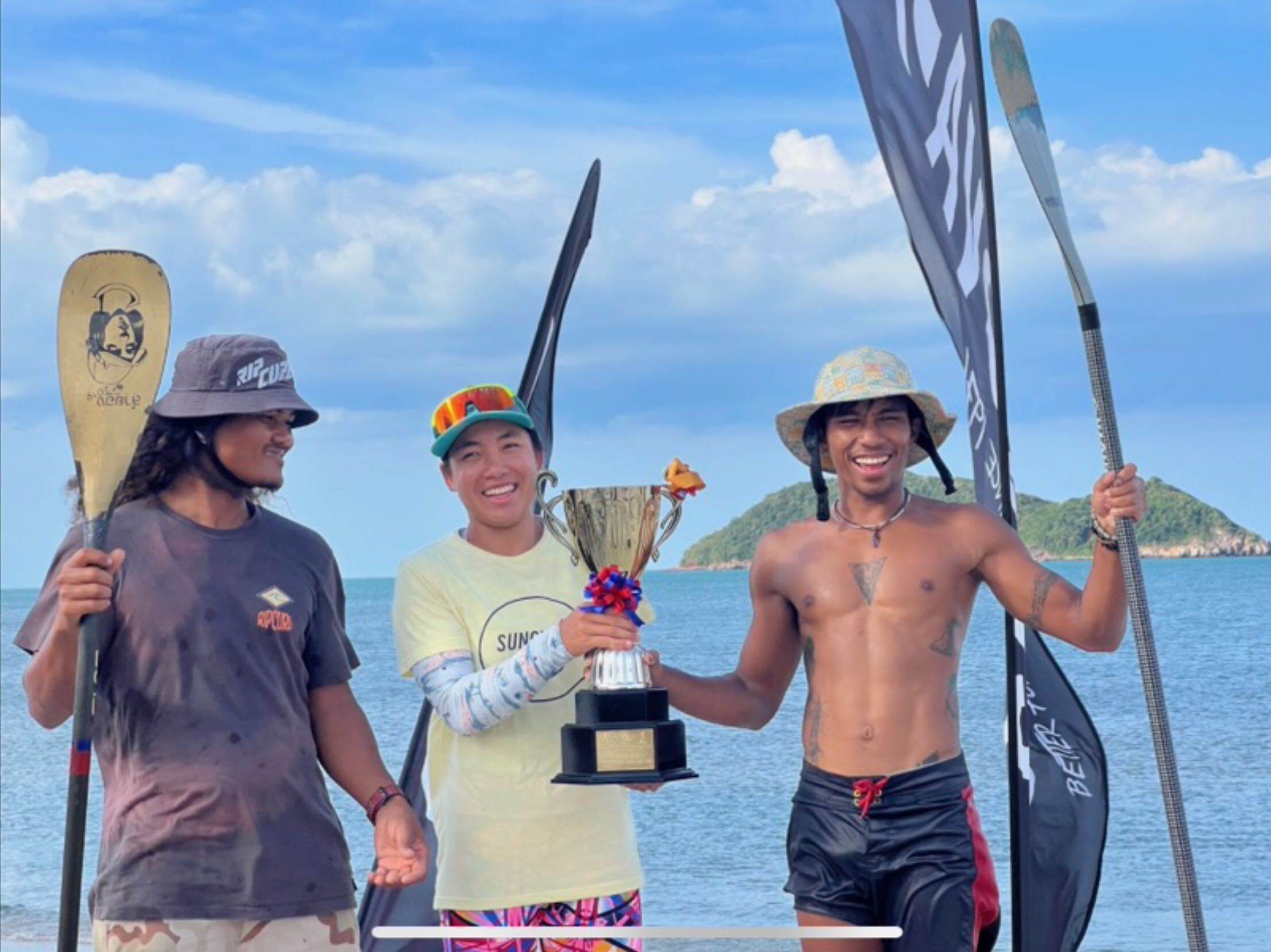
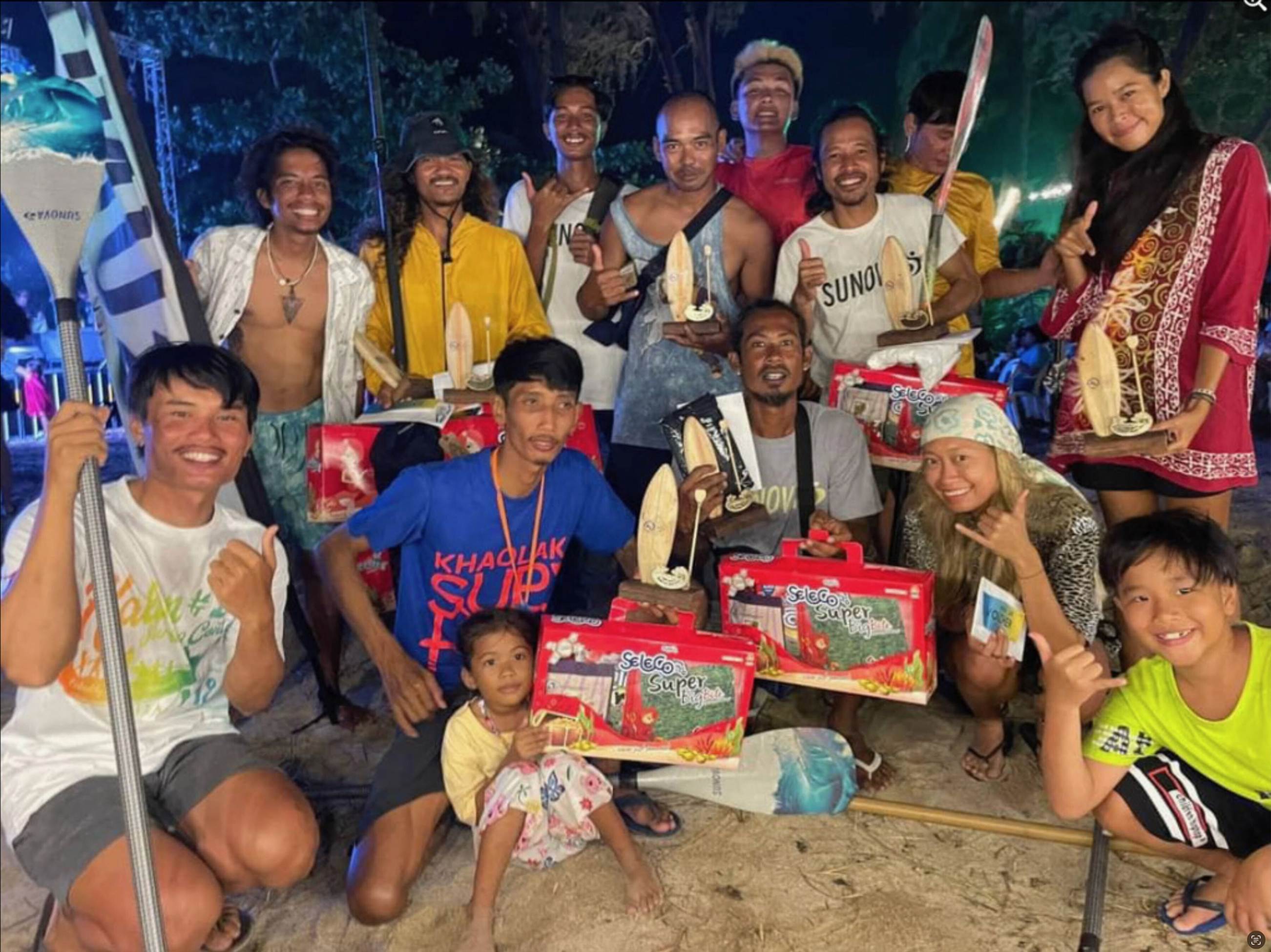
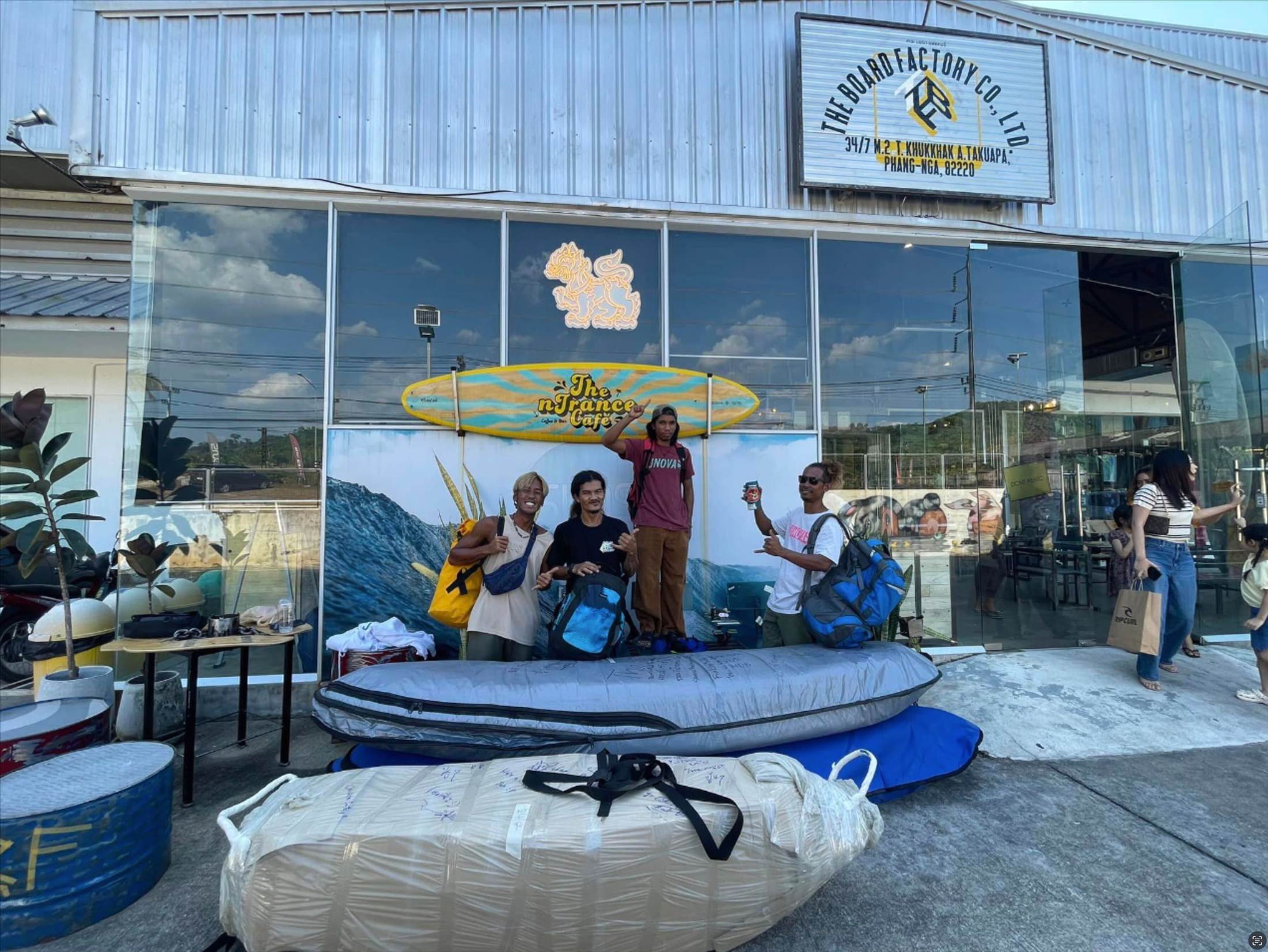
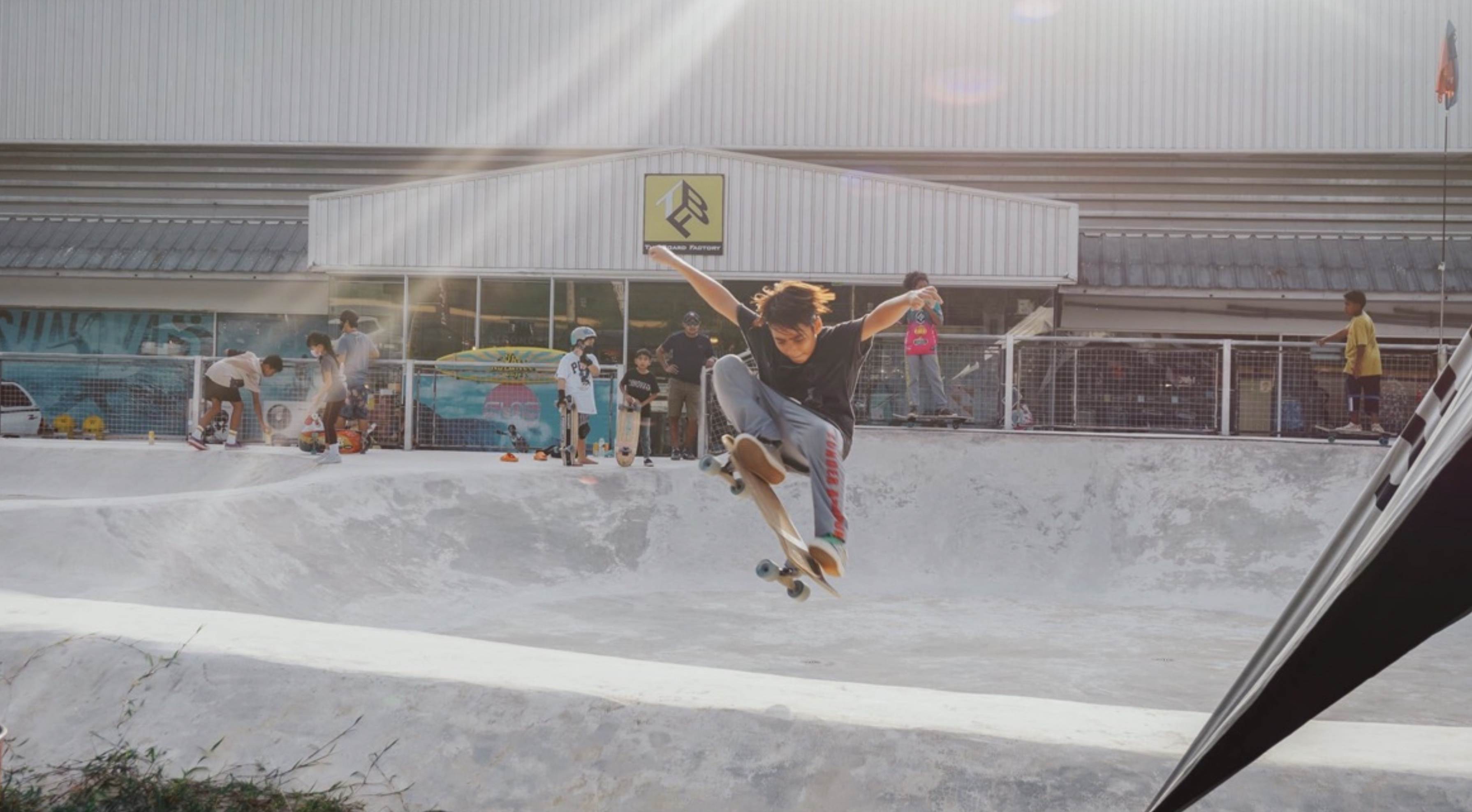
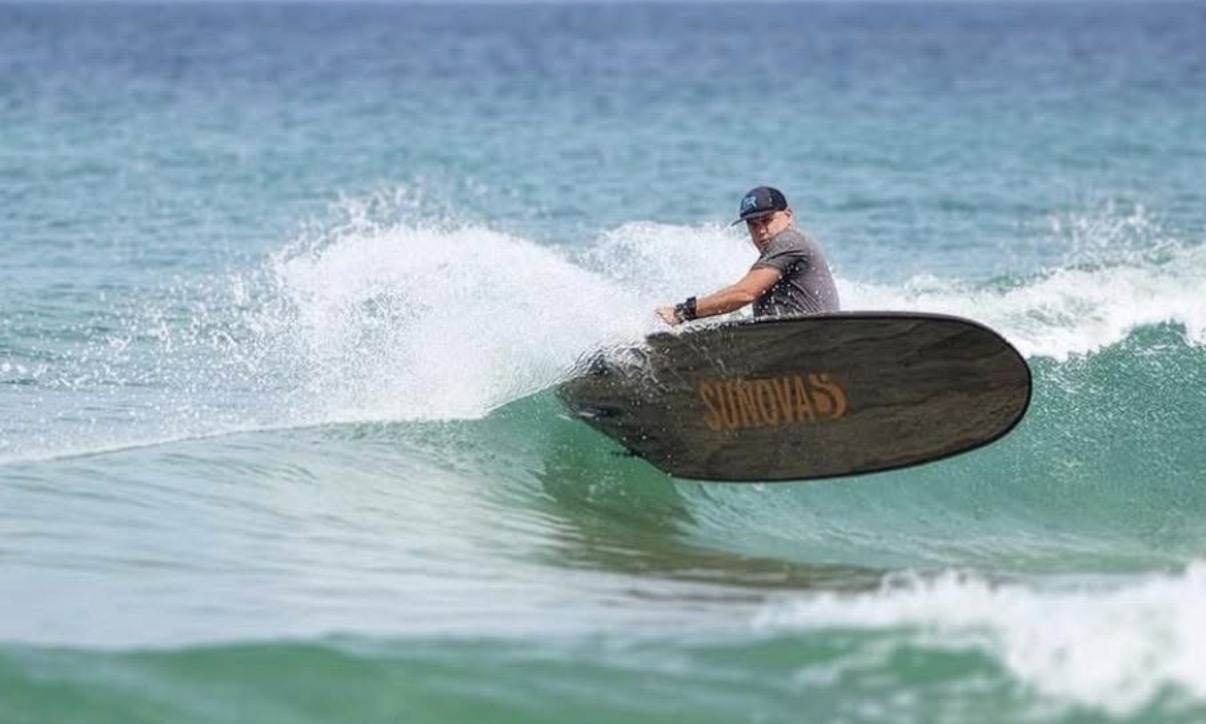
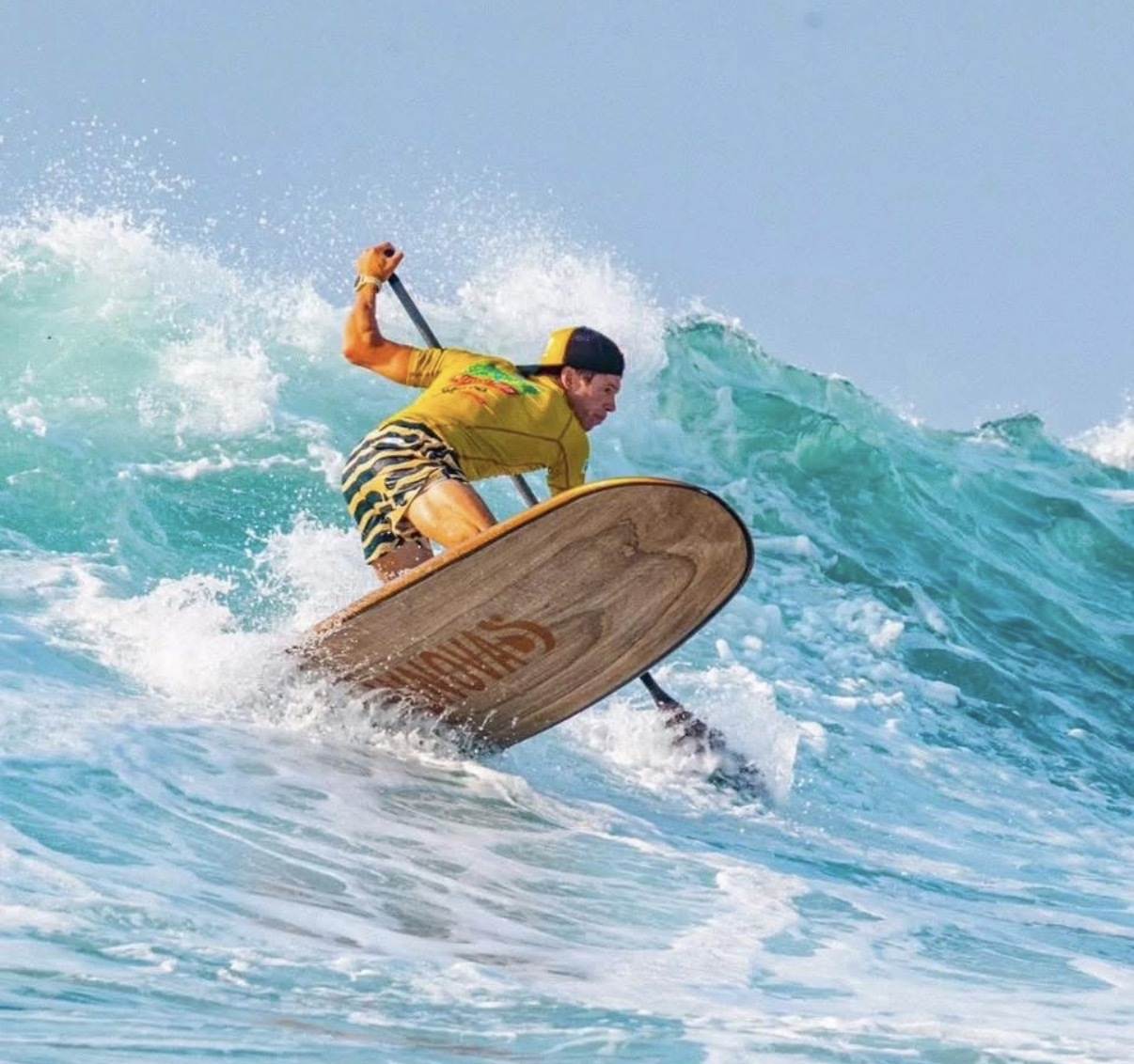
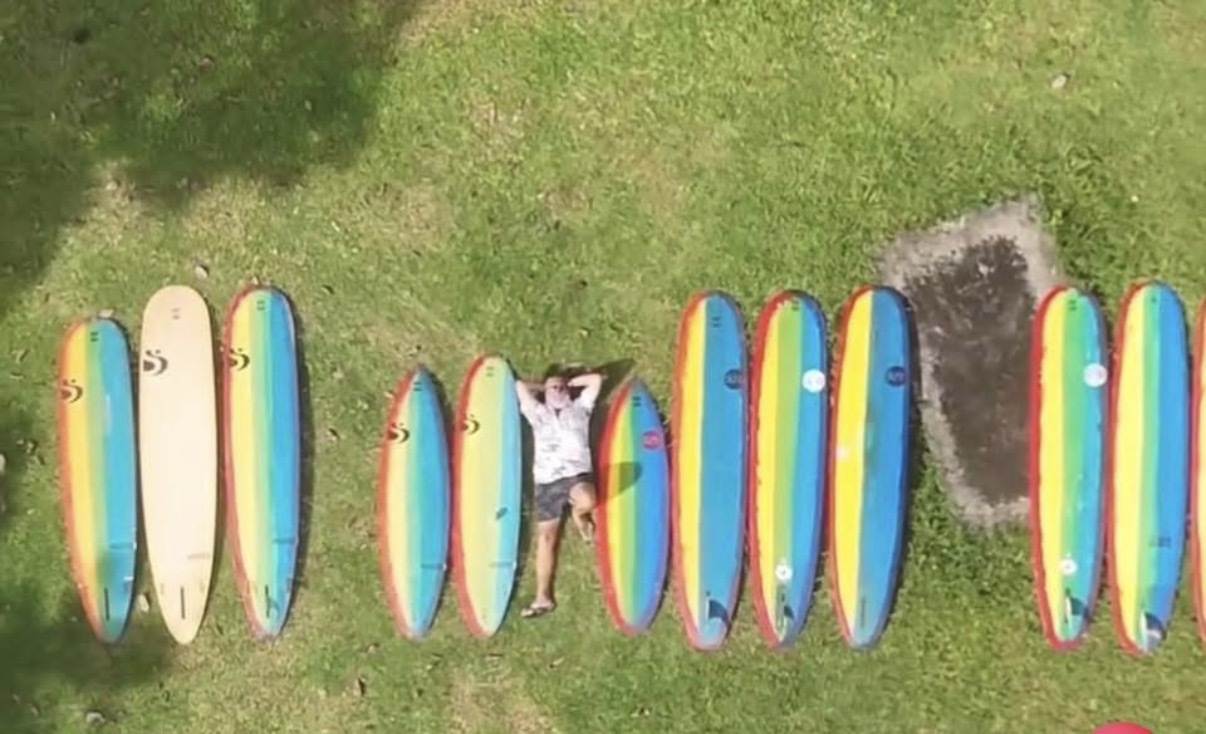
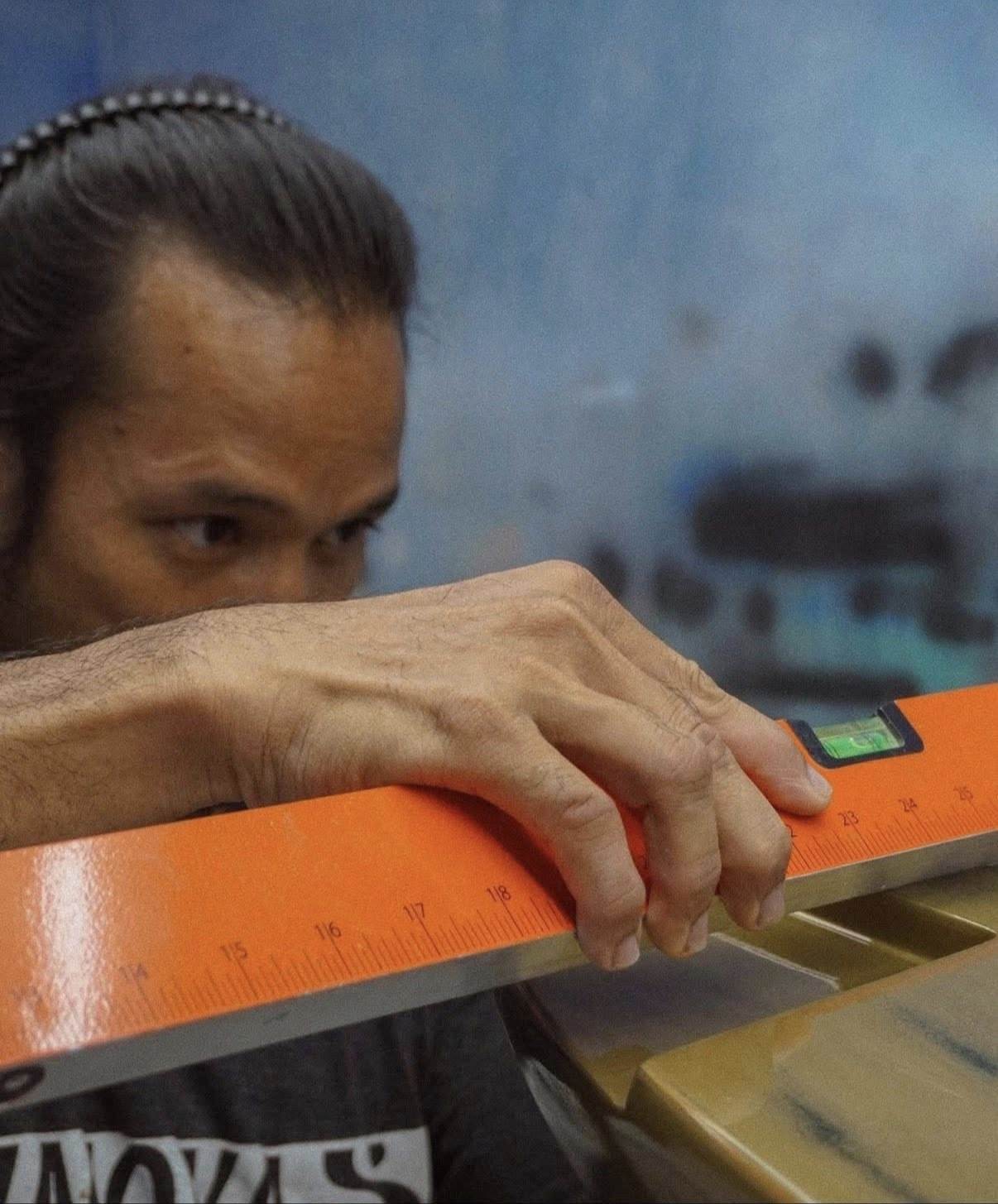
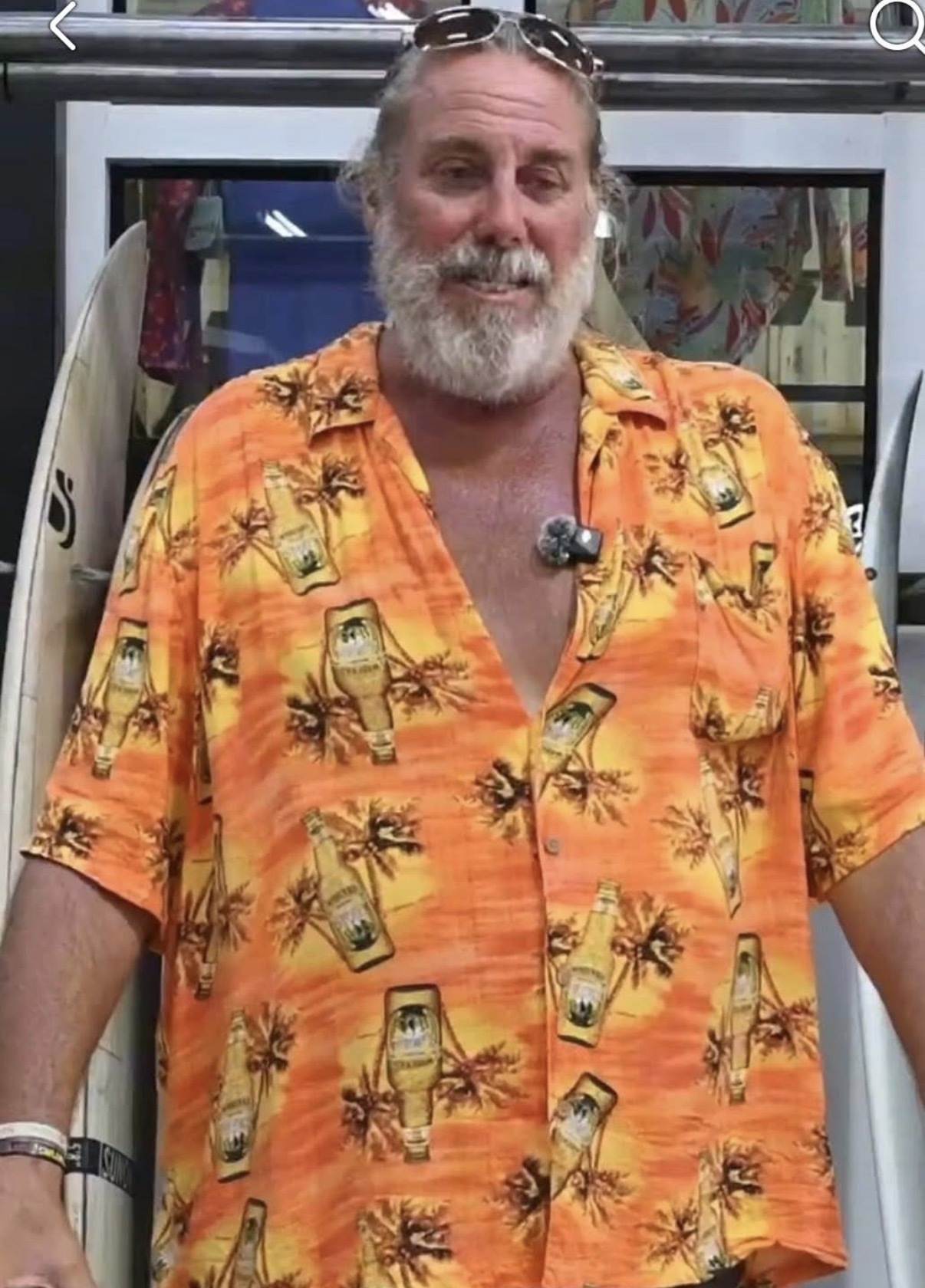
Here are some pictures I took while I was staying in the Sunova Factory (the Board Factory - TBF)
Plus some pictures of the local surf culture that Sunova has created
The last picture is the Skatepark Sunova built at the Factory for the workers and local kids.
I love everything about this company.... it's family.