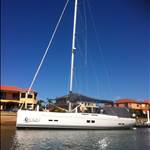
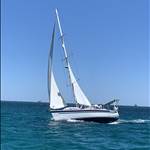
I have a Catalina 30 with US wiring and points looking to convert to Australian
so, do I need to change the wiring and connector points and the circuit breaker etc
any advise would help thanks
I am a electrical contractor experienced in marine 240 volt installations. This is not the place to be asking such a question. Only an electrician who knows the rules and regulations for 240 volt boat installations will be able to answer your question after he does an inspection of your boat. Sometimes the easiest way is to fit a 240/110 volt transformer.
Select to expand quoteJode5 said..
I am a electrical contractor experienced in marine 240 volt installations. This is not the place to be asking such a question. Only an electrician who knows the rules and regulations for 240 volt boat installations will be able to answer your question after he does an inspection of your boat. Sometimes the easiest way is to fit a 240/110 volt transformer.
So am I a electrician but I'm looking for other peoples experiences also 240v to 110v only works for example 110v water heater not for power outlets hence a complete re wire
Select to expand quoteYacht sea sun said..Jode5 said..
I am a electrical contractor experienced in marine 240 volt installations. This is not the place to be asking such a question. Only an electrician who knows the rules and regulations for 240 volt boat installations will be able to answer your question after he does an inspection of your boat. Sometimes the easiest way is to fit a 240/110 volt transformer.
So am I a electrician but I'm looking for other peoples experiences also 240v to 110v only works for example 110v water heater not for power outlets hence a complete re wire
Sorry Yacht sea sun, I was not real clear. If you use a transformer you will need 110v appliances, eg. Your existing 110volt hot water and battery charger then use a 12vdc/240vac inverter for any other 240volt items. If you decide to upgrade to boat to 240 v a few things to consider are, is existing cable rated fo 240vac, high and low voltage cable separation, double pole outlets, galvanic isolation and circuit breaker ratings, rcd protection, polarity protection to name a few. If you are an electrician and can do it yourself, it is not to hard or that expensive for a 30 footer to convert the boat.
The existing wiring would be suitable for 240v. However I would consider leaving it at 120v. I have just gone through the rigmarole of getting quotes to convert to 240v. However have decided to leave as is. By the time I buy an new or convert the charger / inverter, watermaker, hot water system, etc etc the cost is way above what I would consider reasonable.
Ilenart
Select to expand quoteIlenart said..
The existing wiring would be suitable for 240v. However I would consider leaving it at 120v. I have just gone through the rigmarole of getting quotes to convert to 240v. However have decided to leave as is. By the time I buy an new or convert the charger / inverter, watermaker, hot water system, etc etc the cost is way above what I would consider reasonable.
Ilenart
Lienart, I wouldn't say straight out that the cable will be OK. I have seen boats wired in single insulated cable, no separation between low and high voltage cables, cables with no voltage ratings marked on them. In fact I would say most imported boats that are supposedly wire for 240volt do not comply with Australian standards. I have had to bring quite a number new boats up to standard during commissioning.
Hi Me hearty
As an owner of a Cat 42 1994 model all done up in 110volts AC as well
And being an electrician I was able to sort it safely.
One of the technical dilemers you face is the rating of your mains wiring for a start...who the heck knows really what it could be. Much too hard to change all of it to 2.5mm TPS from good old L&H ??!! All the breakers,chargers, points etc,on & on it goes.
Most phone chargers,even my dewalt battery charger will still run on 110v all you need is the 240 to 110 socket adapters. Just check the voltage range on the appliance to be used.
I also have a 110v micro wave and vacuum that all work fine with the adapted set up. As below.
What I did , as our intrepid friend has suggested, is to get yourself atleast a 5KVA 240 to 110volt transformer that has been made with the ASA standards Tick. It will also come with its own a cct breaker.
If you have a 110v water heater element talk to your sparky about this
before selecting the transformer as it will affect its ultimate rating.
There are aussy transformer manufacturers about which can do this. Cost about $400. Then your wiring will be rated correctly on the right voltage as first installed in Trumpville USA.
You may want a sparky to sort out the connections if hard wiring is required. But the trannies can come with the right plugs etc.
Remember once you attach wiring to a structure using any type of clips etc it is technically hard wired regardless if it is an extension lead, and needs to be done with an electrical licence.
Hope this helps
Select to expand quoteJode5 said..Ilenart said..
The existing wiring would be suitable for 240v. However I would consider leaving it at 120v. I have just gone through the rigmarole of getting quotes to convert to 240v. However have decided to leave as is. By the time I buy an new or convert the charger / inverter, watermaker, hot water system, etc etc the cost is way above what I would consider reasonable.
Ilenart
Lienart, I wouldn't say straight out that the cable will be OK. I have seen boats wired in single insulated cable, no separation between low and high voltage cables, cables with no voltage ratings marked on them. In fact I would say most imported boats that are supposedly wire for 240volt do not comply with Australian standards. I have had to bring quite a number new boats up to standard during commissioning.
My understanding is that properly rated 120v wiring would be suitable to use for 240v. On my yacht (2003 Hallberg Rassy) this was confirmed by a electrical contractor. If I have gone down this route they would of upgraded the AC switchboard breakers, the shore cable plug connection, switchboard and all power sockets.
Before you consider any conversion , inspection and insulation resistant tests must be completed. Is wiring in condition to put 240V through it. Or use transformer keep it untouched, but in case you have to run hot water service, transformer is is over 20kg, can be used in emergency as a spare anchor.
Considering environment quickly deteriorating insulation, I installed 300w inverter just in case,
Select to expand quoteIlenart said..Jode5 said..Ilenart said..
The existing wiring would be suitable for 240v. However I would consider leaving it at 120v. I have just gone through the rigmarole of getting quotes to convert to 240v. However have decided to leave as is. By the time I buy an new or convert the charger / inverter, watermaker, hot water system, etc etc the cost is way above what I would consider reasonable.
Ilenart
Lienart, I wouldn't say straight out that the cable will be OK. I have seen boats wired in single insulated cable, no separation between low and high voltage cables, cables with no voltage ratings marked on them. In fact I would say most imported boats that are supposedly wire for 240volt do not comply with Australian standards. I have had to bring quite a number new boats up to standard during commissioning.
My understanding is that properly rated 120v wiring would be suitable to use for 240v. On my yacht (2003 Hallberg Rassy) this was confirmed by a electrical contractor. If I have gone down this route they would of upgraded the AC switchboard breakers, the shore cable plug connection, switchboard and all power sockets.Select to expand quoteIlenart said..Jode5 said..Ilenart said..
The existing wiring would be suitable for 240v. However I would consider leaving it at 120v. I have just gone through the rigmarole of getting quotes to convert to 240v. However have decided to leave as is. By the time I buy an new or convert the charger / inverter, watermaker, hot water system, etc etc the cost is way above what I would consider reasonable.
Ilenart
Lienart, I wouldn't say straight out that the cable will be OK. I have seen boats wired in single insulated cable, no separation between low and high voltage cables, cables with no voltage ratings marked on them. In fact I would say most imported boats that are supposedly wire for 240volt do not comply with Australian standards. I have had to bring quite a number new boats up to standard during commissioning.
My understanding is that properly rated 120v wiring would be suitable to use for 240v. On my yacht (2003 Hallberg Rassy) this was confirmed by a electrical contractor. If I have gone down this route they would of upgraded the AC switchboard breakers, the shore cable plug connection, switchboard and all power sockets.
Hi Lienart
You can most definitely NOT use 120volt rated cable probably rated or not for 240volt under Australian Standards AS3000. As I said previously, only use an Electrical contractor experienced in working on boats.
Select to expand quoteJode5 said..Ilenart said..Jode5 said..Ilenart said..
The existing wiring would be suitable for 240v. However I would consider leaving it at 120v. I have just gone through the rigmarole of getting quotes to convert to 240v. However have decided to leave as is. By the time I buy an new or convert the charger / inverter, watermaker, hot water system, etc etc the cost is way above what I would consider reasonable.
Ilenart
Lienart, I wouldn't say straight out that the cable will be OK. I have seen boats wired in single insulated cable, no separation between low and high voltage cables, cables with no voltage ratings marked on them. In fact I would say most imported boats that are supposedly wire for 240volt do not comply with Australian standards. I have had to bring quite a number new boats up to standard during commissioning.
My understanding is that properly rated 120v wiring would be suitable to use for 240v. On my yacht (2003 Hallberg Rassy) this was confirmed by a electrical contractor. If I have gone down this route they would of upgraded the AC switchboard breakers, the shore cable plug connection, switchboard and all power sockets.Ilenart said..Jode5 said..Ilenart said..
The existing wiring would be suitable for 240v. However I would consider leaving it at 120v. I have just gone through the rigmarole of getting quotes to convert to 240v. However have decided to leave as is. By the time I buy an new or convert the charger / inverter, watermaker, hot water system, etc etc the cost is way above what I would consider reasonable.
Ilenart
Lienart, I wouldn't say straight out that the cable will be OK. I have seen boats wired in single insulated cable, no separation between low and high voltage cables, cables with no voltage ratings marked on them. In fact I would say most imported boats that are supposedly wire for 240volt do not comply with Australian standards. I have had to bring quite a number new boats up to standard during commissioning.
My understanding is that properly rated 120v wiring would be suitable to use for 240v. On my yacht (2003 Hallberg Rassy) this was confirmed by a electrical contractor. If I have gone down this route they would of upgraded the AC switchboard breakers, the shore cable plug connection, switchboard and all power sockets.
Hi Lienart
You can most definitely NOT use 120volt rated cable probably rated or not for 240volt under Australian Standards AS3000. As I said previously, only use an Electrical contractor experienced in working on boats.
The unproven premise here is that the wiring on any US boat would only conform to 120 volt standards.
As an electronics engineer of more than 40 years, with extensive experience in the manufacture of mains operated equipment, I can attest that a thorough electrical inspection of a 2005 Catalina 34 revealed excellent work. I believe this standard is typical of Catalina yachts (although I can't say the same for the interior cabinetry).
This boat was wired to American Boat and Yacht Council (ABYC) standards, as I believe, are most commercially manufactured US boats.
It included the use of 600 volt multi-strand tinned copper wire throughout. All wiring was fully enclosed in flexible conduit and securely attached at appropriate points with obvious consideration of the effects of mechanical abrasion. All terminations and auxiliary hardware were of sound marine quality. All mains switches were rated at 250 volt.
i have no doubt that this wiring would meet or exceed the Australian standards - In short, the wiring is beautiful and a credit to the manufacturer. It could readily be used as an example to some Australian manufacturers of how things should be done.
The aim should be to exceed the standards, not simply meet them.
So, if the wiring of a particular boat is as I have seen, conversion to Australian electricals is quite straight forward for experienced marine electrical personnel.
regards to all,
allan
Hi Allan
Yes I agree. I own a Cat 42. Although I don't know the ratings of wire switches, breakers etc. The general standard of workmanship is very good in this area. All power points are also in their own fully enclosed blue plastic Junction boxes.
I pondered a 240v c/o but went for the cheap transformer option.
It is rated to run the 110volt 2.0 KVA hot water heater element.