Q&A with Jennie Milton: A Best Team Snowkiter


Hidden in the backcountry is a not-so-little place Jennie likes to call home. With smooth, reliable wind flow, untracked Aussie Pow and plenty of hills to glide from; welcome to Snowkite Base Camp, Thredbo NSW.
We were feeling so jealous about the conditions up there, we tracked Jennie down (she happened to be in Oregon, USA) to ask her some questions about snowkiting, the Base Camp in Thredbo and why she loves snowkiting.
Q. So Jennie, We’re all kiteboarders here (the water based kind), what should a kiter like us expect when we hit the snow for the first time?
A. It’s cold & windy!!!! Ok so you know how to Kite but it’s important you have some ski or snowboard skills to add to the mix. All snowkiting in Australia is outside of Resort boundaries and will require some backcountry touring knowledge too! Spend a few days in the resorts working on your riding skills and checking your gear before heading out into the Backcountry with your kite.
Q. You say Snowkiting is a little different to kiteboarding, so what do you look for when choosing equipment to use in the snow?
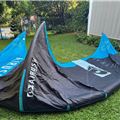
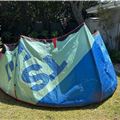
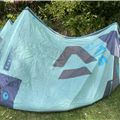
 A. Snowkiting is very similar to kiteboarding and kitesurfing except the water is frozen. Many land kiters use foil kites but since the popularity of Kiteboarding many participants are using the inflatable kites on snow including myself. It is important that your equipment is suitable for gusty mountain winds. My favourite mountain kite is the BEST TS 7,9,12m. Wave style kites work great to be able to park and drift as you lay turns down the slope. Skis and snowboards must be set up for Backcountry touring to get to and from the kite launch areas, and also if the wind dies you’ll need the gear to get back to resort. Snowboarders should have a split board or snowhoes.
Q. You wake up in the morning with no plans, except for a full day of snowkiting. What kind of forecast are you hoping to see?
A. You should have already checked the forecast the night before and have a tentative plan. A quick check of the wind sensors in the morning should give us an idea of the conditions we will encounter in the mountains so we can pick our kite sizes, bring the correct clothing and pack our gear accordingly. All wind directions will work in different locations. Avoid incoming storm winds which can be strong and bring blizzard conditions. The perfect day would be 10 -15 knots, Sunny with fresh pow!
Q. What’s the absolute best thing about snowkiting?
A. The freedom to ride snow covered terrain for hours without using a ski lift. Even the flats are fun attached to a kite to get turns, jumps and play on terrain features.
Q. If you could travel anywhere on earth with three luxuries, where would you go and what would you take ?
A. I would set up Base camp in Alaska on a (1)PRIVATE SHIP with a (2)HELICOPTER to take us up to the best conditions for the day. The third luxury would be the ability to invite all my (3) FRIENDS.
Q. We know snowkiting is dangerous, especially out in the back country. What’s one of the biggest dangers out there?
A. The biggest danger in the Backcountry is ourselves. We can be so excited to get out there and go kiting that we forget our common sense. If the conditions are not right then don’t go! Prepare ourselves with the safety equipment to rescue our friends if something goes wrong. There is no ski patrol, no phone reception, no restaurants to warm up your wet gloves or socks etc.
So it’s up to us! Carry an EPIRB/PLB, First Aid, spare clothes, water/food etc.
Q. The kiting community is always sharing tips and tricks between riders, what’s one of the best tips you’ve ever been given?
 A. One of the best tips I’ve ever been given is to carry line extensions. Adding an extra 3 - 10m of line can increase the power of your kite without rigging a bigger one. This is handy when out in the mountains with one kite or when on holidays without your full quiver.
Q. Snowkite Base Camp is all about sharing new skills with kiters, what’s your favourite thing to teach students?
A. I love teaching students especially women to be self sufficient, by learning self launching and landing options. This builds confidence to get out and kite more!
Q. Everyone who’s seen snowkiting online, has probably had their attention grabbed by what you guys call ‘gliding’. Tell us what it is, and some of the conditions you’re looking for to make it happen.
A. Gliding is not recommended by kite manufactures and huge risks are involved. Gliding is like doing a jump down hill. The ground falls away so your time in the air is extended. Locations with a steady slope and upsloping winds are best. Gliding should only be done on kite sizes above 12m.
Q. Gliding off ridges and hills that high must carry some serious risks, what kind of safety stuff are you thinking about before trying it?
A. If you love the feeling of gliding, look at learning speed-flying or paragliding which have extra lines and safety equipment suitable for flying. Climbing harness or leg loops added to your waist harness should be worn. Perform a full safety check on chicken loop, lines and bridles before considering Gliding. Extra safety precautions should be taken such as using a carabiner to chicken loop.
Q. If any of our readers are keen to get amongst it and try snowkiting this winter (who wouldn’t!) where do they go for all the info?
A. Contact your local kite shop. Some are running snowkite trips!
There are some Facebook groups of Snowkiters who share forecasts and information including “Kosi kiters” and “Snowkite base camp”.
Start your Backcountry knowledge by taking a guided tour or doing an avalanche course, and don’t forget you can always keep in touch with the latest snowkiting videos online!

 Point Piper, NSW