12:07 PM Wed 4 May 2011 GMT

|
|
'Black smoke rises vigorously at vents when the hot, chemically-altered seawater mixes with the cold, oxygenated bottom water. The hydrothermal alterations to seawater occurring at these relatively isolated locations affect the global ocean chemical budget and sustain thriving and strange communities, including these giant tubeworms, Riftia pachyptila, and gastropod limpets grazing on their tubes'
Woods Hole Oceanographic Institution (WHOI) &copy
|
Researchers from Woods Hole Oceanographic Institution (WHOI) and their colleagues have discovered that massive, swirling ocean eddies - known to be up to 500 kilometers across at the surface--can reach all the way to the ocean bottom at mid-ocean ridges, some 2,500 meters deep, transporting tiny sea creatures, chemicals, and heat from hydrothermal vents over large distances. The previously unknown deep-sea phenomenon, reported in the April 28 issue of the journal Science, helps explain how some larvae travel huge distances from one vent area to another, said Diane K. Adams, lead author at WHOI and now at the National Institutes
...
Click here
for full story.
by Woods Hole Oceanographic Institution
|




 Mullion, NSW

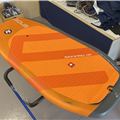
 Foiling - Wind Wing Foilboards
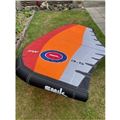
 Kitesurfing - Kites